
Written by Beth Rush
Most conversations about getting pregnant start with the woman, but your health going into conception matters more than most men realise. Here’s an honest look at what to check, what to change and why it’s worth doing now.
Your Health Matters Before Conception
There’s growing evidence that a father’s health before conception can influence pregnancy outcomes and even a child’s long-term development because sperm aren’t made overnight. It takes around 78 days for them to mature, which means the way you’re currently living is shaping what you’ll bring to conception months from now.
Diet, alcohol and smoking all leave a mark on sperm quality. Chronic, ongoing stress also affects testosterone levels and has been linked to reduced sperm quality.
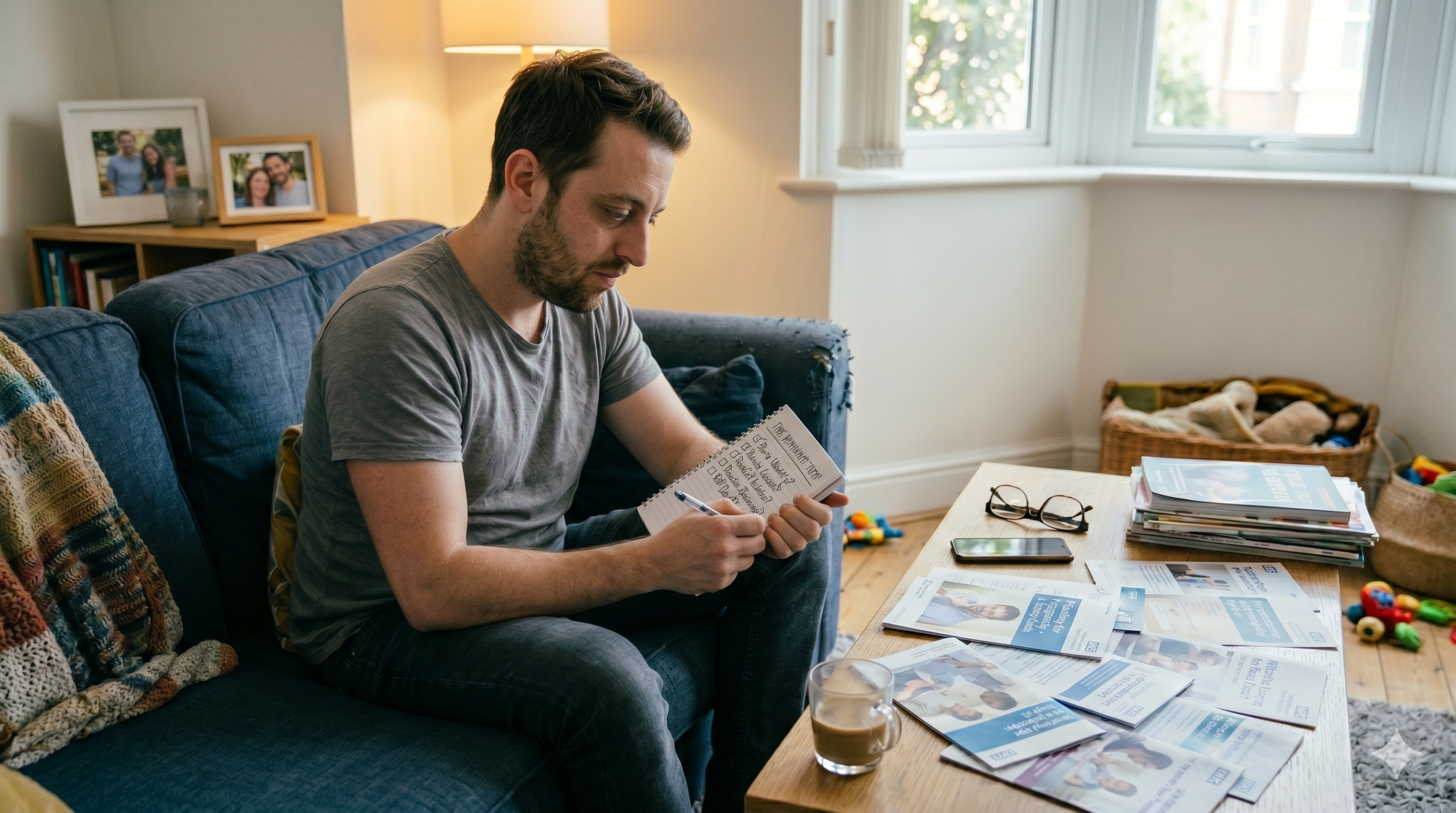
Becoming a parent is one of the biggest shifts a person goes through. Starting that journey already mentally, emotionally or physically depleted makes everything harder. If you’re feeling overwhelmed, burnt out or like you’re just getting through the week, you should address that before a baby enters the picture rather than after. A conversation with your GP about how you’re actually doing is a great move.
The Checks You Can Do At Home
Before you book anything, a simple self-assessment can tell you a lot. How’s your sleep been over the last few weeks? Are you getting through the day on caffeine and catching up on rest at weekends? How much are you drinking? How often are you actually moving your body?
These are the foundations of the burnout test. If your honest answers suggest you’re running on empty, that’s useful information and something you can start changing today.
What Tests Should a Man Do Before Planning a Baby?
There’s no official pre-conception checklist for men the way there is for women, but that doesn’t mean there’s nothing you can do. A GP appointment is a reasonable first step. You can use it to check blood pressure, run basic bloodwork and flag anything that might need to be addressed before you start trying. Now is also a good time to mention any mental health concerns you have that may be holding you back from becoming a father just yet.
Your doctor will talk with you to start assessing whether these problems are the typical fears of new parents or if burnout is affecting you. From there, they could recommend lifestyle changes, possible prescription shifts or professionals that would be helpful to talk with.
If you’ve ever had an untreated sexually transmitted infection or have reason to think there might be a fertility concern, a screening and a conversation about semen analysis are both worth raising. You should also check whether any long-term medication you take has any known effects on fertility. Some do, but your GP can advise on that.
How to Make Sperm Stronger for Pregnancy
Sperm quality responds fairly quickly to lifestyle changes. Thus, small, consistent shifts tend to do more than short bursts of effort.
Cutting back on ultra-processed foods and eating more seafood and poultry, fruits and vegetables, nuts and whole cereals, and low-fat dairy is a reasonable starting point. Regular movement helps, too. You don’t need to train for anything, but getting your heart rate up a bit makes a difference. Changing your eating and exercise habits can also help with burnout, which means making these shifts can benefit your fertility in multiple ways.
If you smoke, stopping is one of the most impactful things you can do. Moderating alcohol rather than eliminating it can be effective, but heavy or frequent drinking does affect sperm count and mobility.
One thing men often overlook is heat. Sperm production is sensitive to temperature, and heat waves can also affect your mental state. A U.S. study found that the number of mental-health-related emergency room visits increased by 8% on the hottest days of summer, linking heat to heightened stress and anxiety. With that in mind, prolonged laptop use on your lap, hot tubs and very tight clothing should all be reconsidered if you’re actively trying to get pregnant.
Is There a Best Age to Have a Baby for a Man?
The honest answer is that it’s complicated, and the evidence is more nuanced than many think. Sperm quality does tend to decline gradually with age. Motility, DNA integrity and count can all shift over time, particularly from the mid-40s onward. However, age alone is rarely the deciding factor.
For most men, what matters more is general health going into conception. A 45-year-old who’s active, not smoking and managing his stress reasonably well is in a better position than a 30-year-old running on four hours of sleep and a poor diet. If you have specific concerns about age and fertility, your GP or a reproductive specialist can give you a clearer picture based on your individual circumstances.
A Note on Timing
Three months is a reasonable runway. It’s roughly the time it takes for one full cycle of sperm development, which means changes you make now can meaningfully affect what’s happening by the time you’re actively trying.
Fertility Going Swimmingly
You don’t need to be in peak physical condition to become a father. However, giving yourself a few months of honest effort toward better habits, less stress and maybe a GP visit you’ve been putting off is good for conception and you.