As an electrician, I get asked about energy saving a lot. And this winter, with a new baby in the house, I’m taking my own advice more seriously than usual.
Energy consultancy Cornwall Insight forecasts that the price cap will rise by 26% in January, to £2,166 a year for a typical household. Ofgem confirms the official figure on 25 November, so check Ofgem’s website for the confirmed cap. Either way, here’s what’s worth doing, and what’s not.
One thing first. If you’ve got a baby, young kids, anyone over 65 or anyone with a health condition at home, don’t cut back so far that the house gets cold. Saving a few quid isn’t worth anyone getting ill.
1. Turn down your boiler flow temperature
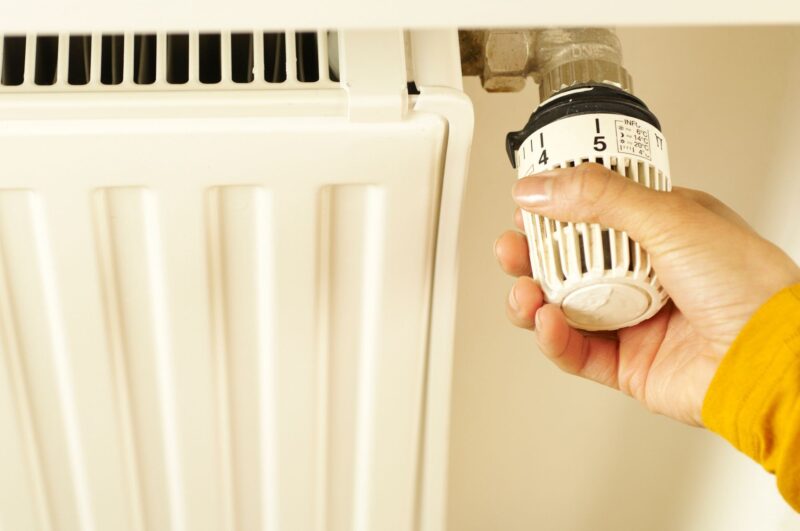
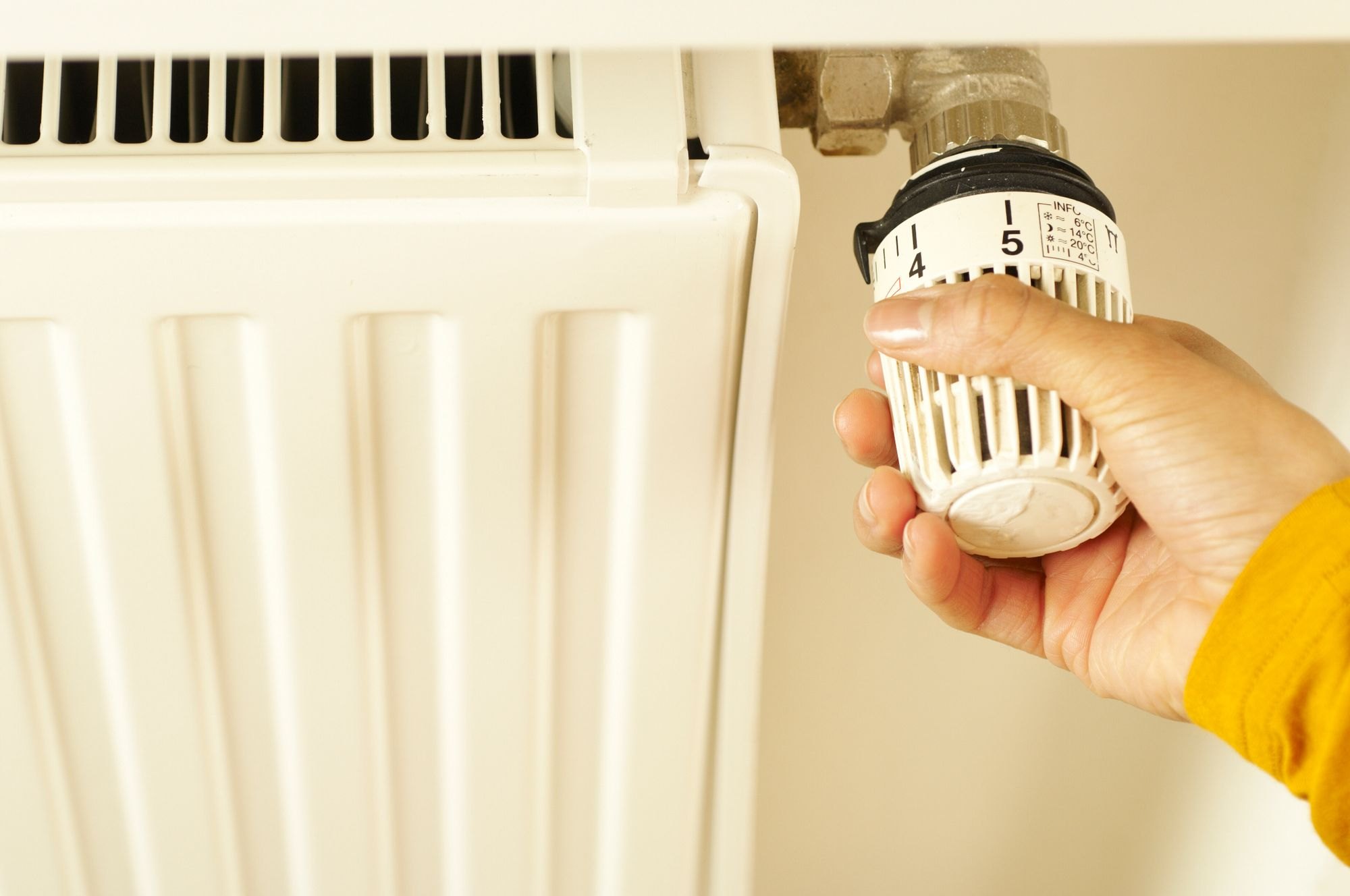
This is the big one most people haven’t heard of. The flow temperature is how hot your boiler heats the water before it goes to your radiators. Most boilers are set too high when they’re installed.
The government’s energy saving campaign says reducing your combi boiler flow temperature to 60C is one of three tips that together could save around £100 a year.
The Energy Saving Trust explains how:
- Combi boiler (no hot water tank): adjust the radiator dial (it usually has a radiator symbol, not a tap). Around 60C is a reasonable starting point.
- System or conventional boiler with a hot water cylinder: don’t go lower than 65C, or the water in the tank may not get hot enough to be safe.
Take a photo of your settings first so you can put them back. Your radiators will feel a bit less hot, and rooms may take a little longer to warm up, so you may need to put the heating on slightly earlier.
2. Find and fix draughts
Old-school, cheap and effective. Look for gaps around windows, doors, pipes, floorboards and the letterbox. On a windy day, hold your hand near them and feel for air.
- A brush or draught excluder on the bottom of doors
- Self-adhesive foam strips around window frames
- A letterbox brush
- A chimney draught excluder if you have an unused chimney. The Energy Saving Trust says one could save you around £45 a year in Great Britain.
Don’t block air bricks, trickle vents or extractor fans. You need ventilation, especially if you’re drying washing indoors, or you’ll end up with damp and mould.
3. Turn radiators down, not off, in rooms you don’t use
The government advice is to turn radiators down in rooms you’re not using much. Turning them off completely can increase the risk of damp and mould.
4. Heat the people, not the house
- Curtains closed at dusk. Keeps the heat in. Just make sure they don’t cover the radiators.
- Layers. A cheap fleece or a decent blanket on the sofa makes a big difference.
- Hot water bottles for older kids and adults only. Never for babies.
Keeping a baby warm safely
The NHS and The Lullaby Trust advice is that a baby’s room should be between 16C and 20C. A cheap room thermometer is a good buy. Use layers and a baby sleeping bag rather than heavy blankets, and never put a baby to sleep with a hat on indoors or next to a heater. We’ve got a separate guide on keeping babies warm in a cold snap.
5. Cut the electric bits
- Tumble dryer: one of the most expensive appliances to run. Use a clothes airer near a ventilated spot, or a heated airer if you need one.
- Kettle: only boil what you need.
- Washing machine: wash at 30C and only full loads.
- Standby: turn off the TV, consoles and set-top boxes at the wall if you can.
- Cooking: slow cookers and air fryers can be cheaper to run than the oven for small meals.
What’s not worth it
- Leaving the heating on low all day “because it’s cheaper.” For most homes, it isn’t. Use your timer to heat the house when you’re in.
- Plug-in electric heaters as your main heat. Electricity costs about three times as much per unit as gas, according to Cornwall Insight’s forecast rates. Fine for a short time in one room, not all evening.
Help with bills
If you’re struggling, there’s help. In England, households in council tax bands A to D will get a £100 Household Energy Payment from January, and the Scottish and Welsh governments have said they will make or seek to make a similar payment. If you’re on certain benefits, you may get the Warm Home Discount. And if you’re behind on bills, talk to your supplier and contact Citizens Advice.
A few small changes add up. And none of them means sitting in the cold.

Join Dadsnet
Weekly dad stuff that actually helps. No spam, just the good bits.