
If you’ve seen the latest headlines about kids and screen time, you’d be forgiven for thinking every minute on a tablet is doing damage.
But the reality is far more balanced and, frankly, far more useful for real parents.
Let’s cut through the noise.
First, the headline everyone’s talking about
Recent UK research found that:
- Around 98% of two year olds use screens every day
- Children with very high screen time (around 5 hours a day) tended to have smaller vocabularies than those with lower use
That’s the bit that makes headlines.
But here’s what often gets lost…
This is not a “screens are bad” story
Even the government is being clear about this.
Screens are now just part of everyday life.
The real question isn’t:
“Should kids use screens?”
It’s:
“How do we use them well?”
That’s a completely different conversation.
And a much more helpful one.
What actually matters (and what doesn’t)
The biggest mistake in this whole debate is treating all screen time the same.
It isn’t.
There’s a huge difference between:
- Passive scrolling alone for hours
- Watching a film together as a family
- Playing an educational game
- Video calling grandparents
- Using a tablet so you can cook dinner without chaos
Only one of those gets criticised.
All of them get labelled “screen time”.
That’s lazy thinking.
The real issue: what screen time replaces
The research doesn’t show that screens directly harm children.
What it does suggest is this:
Too much screen time can crowd out things that matter more.
Like:
- Talking
- Playing
- Reading together
That’s where development happens, especially for younger kids
So the question isn’t “how many minutes?”
It’s:
“What is my child not doing because of this?”
That’s a much sharper way to think.
A reality check for parents
Let’s be honest.
Screens are often:
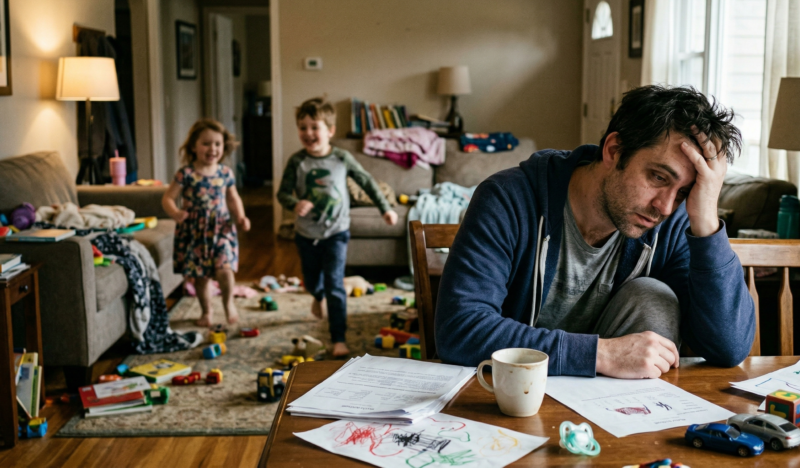
- A break when you’re exhausted
- A way to get through dinner time
- A lifesaver on long journeys
- A moment of peace in a loud house
That’s not bad parenting.
That’s modern parenting.
And pretending otherwise just creates unnecessary guilt.
Screen time can actually be positive
This rarely gets said out loud, but it matters:
Screens can be:
- Educational
- Social
- Creative
- Calming
There’s evidence that digital tools can support learning and even reduce loneliness in some children
Used properly, they are not a problem.
They’re a tool.
So what should parents actually do?
Forget strict rules.
Think in trade-offs.
A simple way to frame it:
1. Balance beats bans
If your child has had a lot of screen time today, just make sure there’s also:
- conversation
- play
- movement
No panic required.
2. Quality matters more than quantity
Ask:
- Are they engaged?
- Are they learning?
- Are we doing this together sometimes?
That’s far more important than minutes on a clock.
3. Use screens with your kids sometimes
Even occasionally watching or playing together:
- builds language
- creates connection
- turns passive time into active time
4. Don’t let headlines parent your kids
Most studies show correlation, not direct cause.
In simple terms:
Kids with high screen time often have other factors going on too.
Screens aren’t always the root problem.
The bottom line
Yes, excessive screen time can be an issue.
But so can:
- zero downtime
- exhausted parents
- unrealistic expectations
The goal isn’t perfection.
It’s balance.
And sometimes, balance includes a tablet… and a bit of peace and quiet.