Failure is part of life.
You know that.
But when it’s your kid struggling, getting something wrong, or feeling like they’ve failed…
It hits differently.
You want to protect them.
Fix it.
Make it better.
But how you handle those moments matters more than you think.
Because this is where they learn what failure actually means.
Your First Reaction Sets the Tone
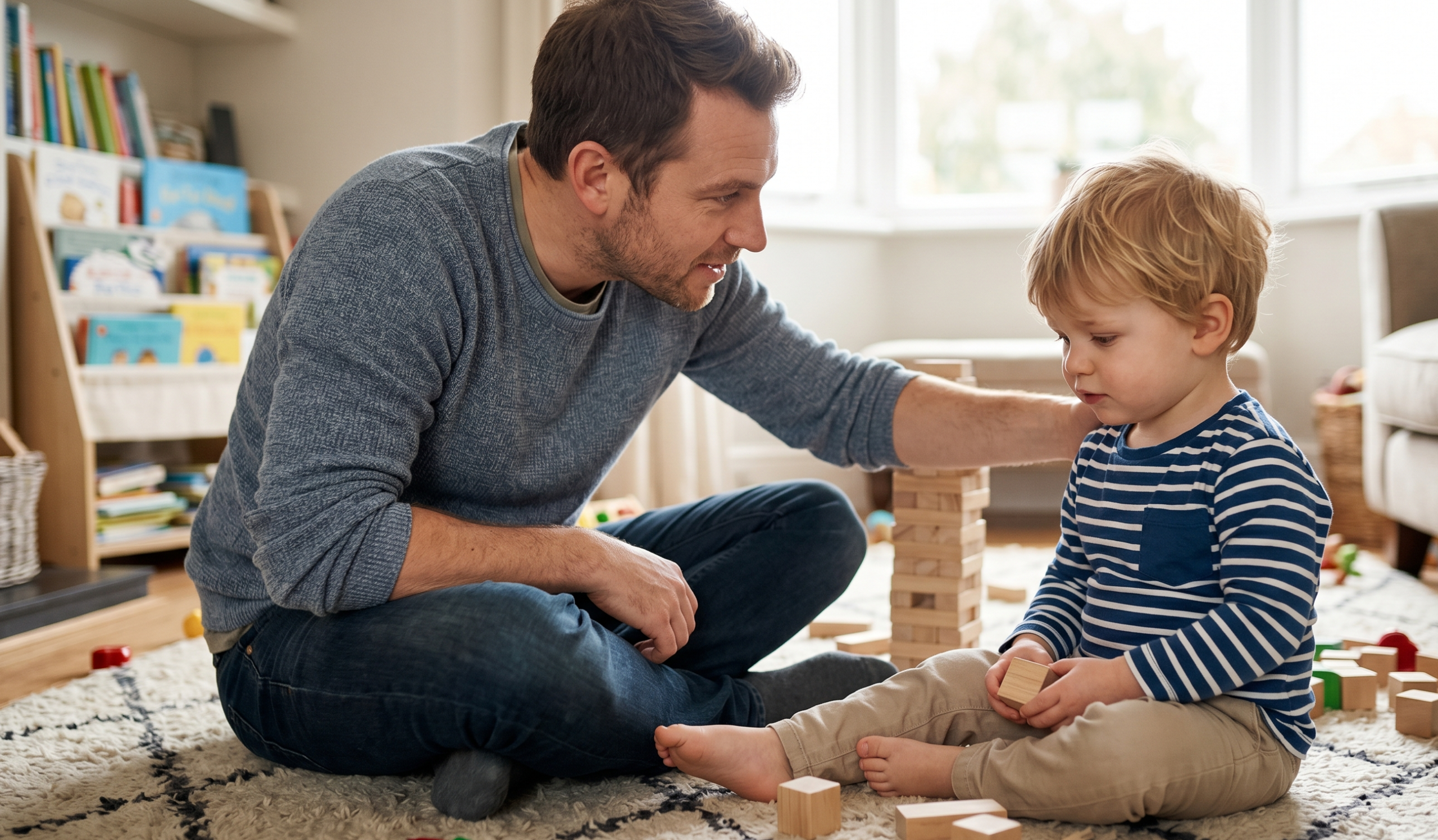
When your child fails at something, they’re watching you closely.
Not just for what you say but how you react.
If you:
- Get frustrated
- Dismiss it
- Try to immediately fix everything
They pick up on that.
And it shapes how they see failure going forward.
Failure Isn’t the Problem – How It’s Framed Is
The goal isn’t to stop your kids from failing.
That’s impossible.
And honestly, not helpful.
The goal is to help them understand:
- Failure isn’t the end
- It’s part of learning
- It doesn’t define them
That shift in perspective is what builds resilience.

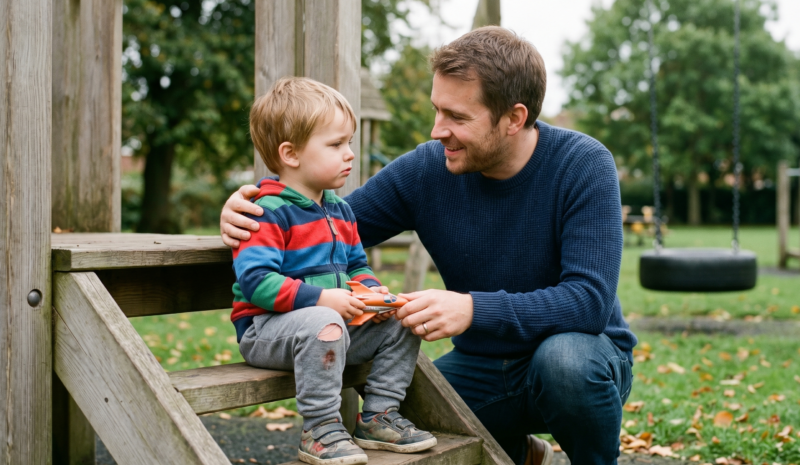
Avoid Jumping Straight to Solutions
It’s natural to want to fix things quickly.
But rushing in can send the wrong message.
It can feel like:
“You couldn’t handle this on your own.”
Instead, pause.
Let them feel it first.
Then guide them through it.
What Actually Helps in the Moment
You don’t need a perfect speech.
You just need to be steady.
- Acknowledge how they feel
“That was tough, I can see why you’re upset.” - Normalise failure
“Everyone gets things wrong – that’s how you learn.” - Focus on effort, not just outcome
“You tried, and that matters.” - Ask questions instead of giving answers
“What do you think you could try next time?”
This builds confidence instead of taking it away.
Your Own Attitude Toward Failure Matters
Your kids don’t just listen to what you say.
They watch how you handle your own setbacks.
- Do you get frustrated easily?
- Do you blame others?
- Do you avoid trying again?
Or do you:
- Stay calm
- Reflect
- Try again
That’s what they learn from.
Confidence Comes From Overcoming, Not Avoiding
If you protect your kids from every failure, they don’t build confidence.
They build dependence.
Real confidence comes from:
- Trying
- Getting it wrong
- Figuring it out
- Trying again
That’s what sticks.
It’s Okay If They Struggle
You don’t need to remove every hard moment.
Some struggle is necessary.
It teaches:
- Patience
- Problem-solving
- Resilience
Your role isn’t to eliminate difficulty.
It’s to support them through it.
A Better Way to Look at It
Instead of thinking:
“How do I stop them from failing?”
Think:
“How do I help them handle failure better?”
Because that’s what will serve them long-term.
Something to Take With You
Your kids won’t remember every failure.
But they will remember how you responded when it happened.
Whether you made them feel worse…
Or helped them see a way forward.
And that response shapes how they handle challenges for the rest of their lives.