Fireworks aren’t really one night any more, are they. Registered sellers can sell them to the public from 15 October right through to 10 November, so the bangs started a couple of weeks back and they’ll keep going for a while yet. Bonfire Night is tomorrow, Thursday 5 November. Plenty of displays are on this weekend. And Diwali falls on Sunday 8 November, which brings its own fireworks too.
Which is lovely if your kids think rockets are the best thing ever. Less lovely if you’ve got one who goes rigid at the first whizz and bang.
Right. Quick bit about me. We’ve got Leo, who’s seven and autistic, and Maja, who’s four, so fireworks week in our house is basically a prep list. I’m still learning. But I’ve read a lot this week, from the official advice to what parents are actually saying, and here’s what’s stuck.
What parents are saying
The story shapes are always the same, which is sort of reassuring.
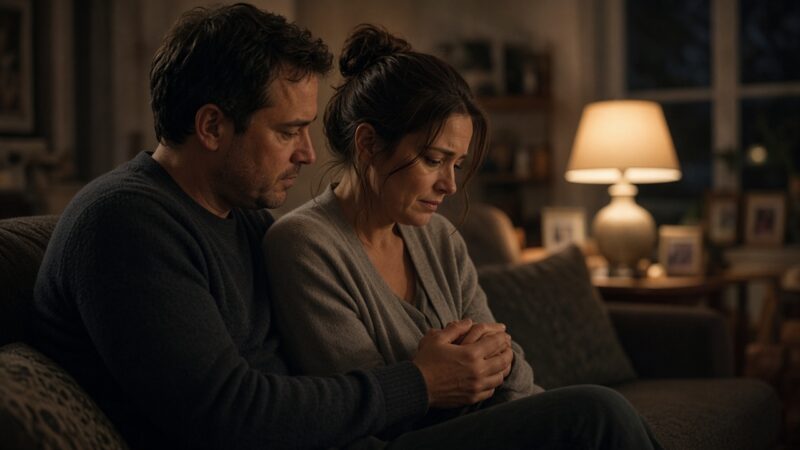
On a Netmums Coffeehouse thread, one mum said her little boy had always hated hand dryers, sirens and balloons popping. Then someone nearby set off fireworks and he dropped to the floor with his hands over his ears and she had to carry him inside. Her big worry was that he’d remember, and dread the same spot next time. Another parent replied that hand dryers upset her three year old so much she can’t use one herself any more, and that her daughter still clapped her hands over her ears in the middle of a holiday park show.
A mum writing for the charity ECL described her autistic son, now an adult, spending the week either side of the 5th sat in the middle of the stairs, the spot furthest from any window or door, humming to block it all out. Her line was that he coped better as he got older, even though he still doesn’t like fireworks.
And the National Autistic Society says plenty of autistic adults and parents of autistic kids tell them they skip Bonfire Night altogether because it’s too noisy and too unpredictable. Not every scared kid is autistic, obviously. Loads of children just hate loud bangs. But it tells you that staying in is a normal choice, not a failure.
First, find out which bit is scary
This sounds obvious. It wasn’t to me.
It might be the bangs. It might be the flashes. It might be the crowd, or the dark, or just not knowing when the next one is coming. A hypnotherapist Netmums spoke to this week suggested asking your child about it when they’re calm, not in the moment, and taking the answer seriously rather than telling them not to be silly. The answer changes the plan. A kid who hates the noise but loves the colours might be fine behind a window. A kid who hates the unpredictability might do better at your own back garden display where they know exactly what’s coming and when.
Some kids are frightened of getting hurt, too. The National Autistic Society’s Bonfire Night tips suggest talking through the safety rules and how you’re sticking to them, and giving them somewhere else to go if they don’t want to be part of it.
Tell them what’s coming
Kids cope better with what they can see coming. A few things that help:
- Watch a short fireworks video together. Sound off first. Let them choose whether to turn it up, and stop when they’ve had enough.
- Talk through the evening in order. What time you’re going, where you’ll stand, what happens if it’s too much. Some kids like it written down, some like it drawn as a little picture story.
- If you’re going to a display, find out the start time and roughly how long it lasts. Twenty minutes feels very different to “a while”.
Always have a way out
This came up again and again. Agree before you leave the house that they can ask for a break, or to go home, at any point. And then actually mean it.
Watching from further back counts. Watching from the car counts. Watching from the landing window in your pyjamas counts. If they get upset at a display, leave. Nobody wins a prize for making it to the finale.
Ear defenders: yes for the night, not for every day
Properly fitted children’s ear defenders are worth having for a display or a noisy evening. The National Autistic Society recommends them, and some styles cut the bangs while still letting your child hear you talk, which helps.
The bit I didn’t know: the NHS says wearing earplugs or ear muffs all the time can actually make someone more sensitive to noise, and that short term use in very noisy places is the sensible way to use them. A children’s sound sensitivity leaflet from Hull’s NHS hospitals says something similar for kids who are bothered by everyday noise. So, ear defenders for fireworks, yes. Ear defenders on the school run every day for the next fortnight, probably not, unless someone who knows your child has said otherwise.
Staying in can still be the plan
If the answer this year is no fireworks at all, fair enough. Make it its own thing.
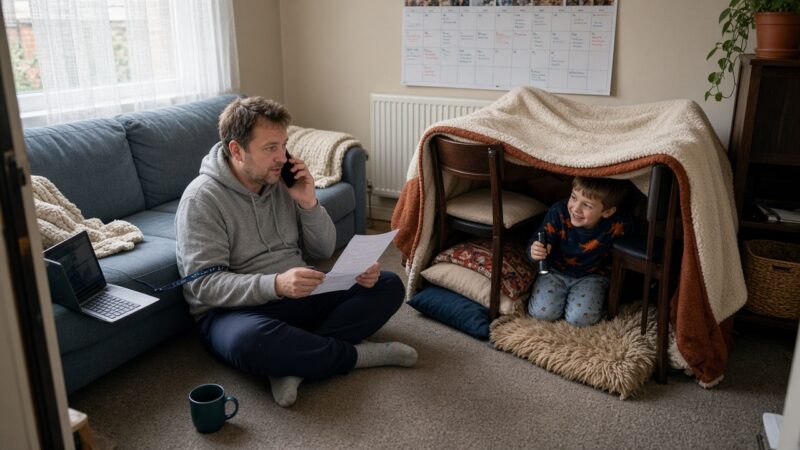
Curtains shut before it gets dark. Telly or music up a bit to cover the bangs. A den on the sofa with a blanket. Familiar snacks, hot chocolate, whatever your lot like. The NAS tips include all of this, and they also suggest showing you’re calm yourself, because that can be reassuring for anyone who’s anxious. Kids clock your face before your words, in my experience. Some families watch a display online so the child controls the volume. Others keep the screen off entirely, because for some kids the flashes are worse than the noise.
Every kid does it their own way, and honestly, fair enough.
The neighbours
You can’t control the street. You can control a bit of the timing, though, by knowing the rules.
In England and Wales, the law on fireworks says nobody should set them off between 11pm and 7am. On Bonfire Night the cut off is midnight, and on Diwali, New Year’s Eve and Chinese New Year it’s 1am. In Scotland, adult fireworks can only be used in private places between 6pm and 11pm, with the same later cut offs for those nights, and some areas are firework control zones where they’re not allowed at all.
If you’re the ones having fireworks, tell the neighbours first. Both the NAS and the Scottish Government suggest doing exactly that. And if you’re the house with the frightened kid, it’s fine to ask on the street WhatsApp whether anyone’s planning a back garden show, and roughly when. Most people would rather know.
When it’s more than fireworks
Lots of children are more sensitive to loud noise than adults, and the NHS says it often gets better as they get older. But if everyday sounds like the hoover, the hand dryer or the school hall are genuinely upsetting your child, or seem to hurt, that’s worth mentioning to your GP. The NHS notes some kids become more sensitive after glue ear, or alongside conditions like autism, and there is help for it.
For this week, though, it’s mostly prep and patience. A plan, a way out, something warm to drink. If you get to the end of Sunday night with everyone still talking to each other, I’m counting that as a win.

Join Dadsnet
Weekly dad stuff that actually helps. No spam, just the good bits.