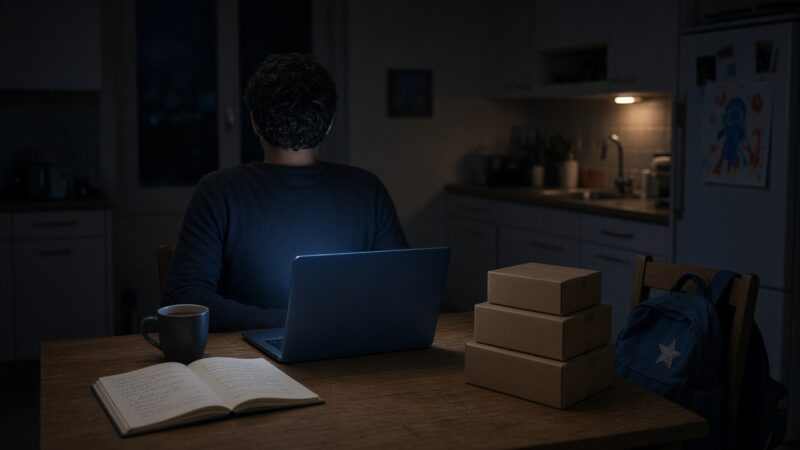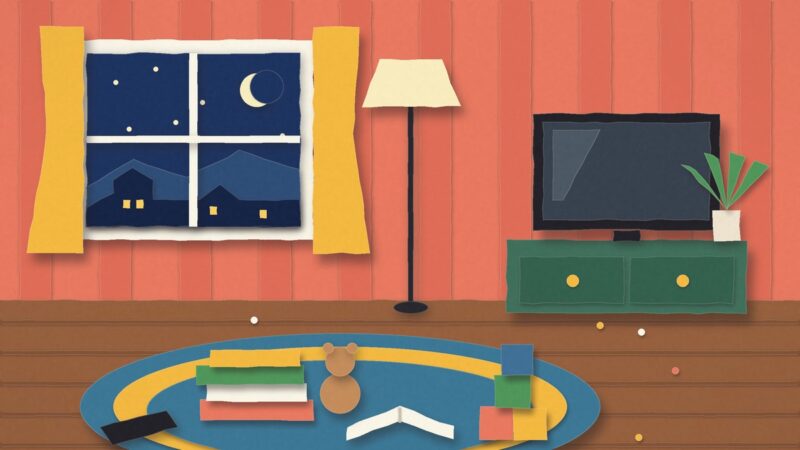
The clocks have gone back, it’s dark by teatime and the Christmas lists are starting to appear on the fridge. For a lot of families with little ones, that means more telly, more tablet and more of those “just one more episode” negotiations at half five. So it’s a decent moment to look again at the screen time guidance for under fives.
The government’s first official advice in England on screen use for children under five came out in March this year, and Mumsnet ran a sponsored practical guide to it on 2 November with the government’s Best Start in Life service. Here’s what it says and what dads can realistically do with it on a wet Tuesday.
What the guidance says
The headline numbers are simple. For babies and toddlers under two, the advice on the Best Start in Life website is to avoid screen time except for shared activities that encourage bonding and conversation, such as a video call with Nanna or scrolling through family photos together. For two to five year olds, it says try to keep screen time to an hour a day, and less if possible.
That hour covers everything. Telly, tablet games, phones, the lot.
There’s more to it than the clock, mind. The guidance says slow paced, predictable programmes with simple stories and clear speech are better for young brains than fast, flashy, social media style videos. It says social media should be avoided for this age group. And it says young children shouldn’t use AI toys, tools or chatbots until there’s more evidence on how they affect them, which includes interactive robots, smart speakers and AI chat apps.
It also asks parents to keep bedrooms and mealtimes free of screens, avoid screens in the hour before bed, try not to leave the telly on in the background, and watch together where possible rather than leaving a child alone with a device.
Where it came from
The advice is based on an independent report by the Early Years Screen Time Advisory Group, co chaired by the Children’s Commissioner for England, Dame Rachel de Souza, and Professor Russell Viner, a paediatrician at University College London. The full report is published on GOV.UK.
When the government announced the guidance on 27 March, it said a quarter (24 per cent) of parents of three to five year olds find it hard to control their child’s screen time, and that 98 per cent of two year olds watch screens every day. It also pointed to a report by the early years charity Kindred Squared which found 28 per cent of children starting Reception can’t use a book properly, with some trying to swipe or tap the pages like a tablet.
Professor Viner said at the time that too much solo screen time “can crowd out the things that make the biggest difference”, meaning sleep, play, physical activity and talking with parents and carers.
One thing worth knowing, because it takes a bit of pressure off: the panel was honest that the evidence on exact time limits is thin. Its report says none of the research it found gave convincing evidence for a specific threshold, and that it found no convincing evidence that short sessions of up to 30 minutes were harmful in themselves for children aged two and over, as long as they weren’t at bedtime or mealtimes and the content was suitable. The one hour figure is a precaution based on what’s known about child development, not a cliff edge, and the report suggests doing it in chunks of half an hour or less.
So if your three year old had an hour and a quarter of Bluey on Sunday because everyone had a cold, nobody is coming round with a clipboard.
Why it matters for dads
A lot of screen time in a young family happens on Dad’s watch. The solo bedtime after work. The Saturday morning lie in for Mum. The bit of the evening when you’re trying to get tea on and the little one is hanging off your leg.
To be fair, the guidance doesn’t pretend screens are going anywhere. What it pushes is the idea that how and when matters as much as how long. Sitting with your child and talking about what’s on, asking what the dog is doing or why the character looks sad, is linked to better development than a child watching on their own, according to the government’s summary of the evidence. That’s a dead simple thing for a dad to do, and it turns telly time into something closer to time together.
Speaking as someone who does plenty of solo teatimes after an early shift, the telly going on while the pasta boils is just real life. The useful bit is knowing which parts of the advice give you the most for the least effort.
Practical things that actually help
None of this needs a chart on the wall. Pick one or two and see how it goes.
- Give a warning before it goes off. The Mumsnet guide suggests a five minute heads up and saying what’s happening next, whether that’s a book, the bath or helping with tea. A visual timer helps some kids.
- Turn off autoplay. It’s the thing that turns one episode into four. Most streaming apps and YouTube Kids let you switch it off, and the NSPCC has a guide to parental controls on phones, tablets and consoles.
- Make the last hour before bed a screens off hour. The NHS says there’s good evidence that screen time before bed can disrupt children’s sleep. Swap it for a story, even a short one.
- Kill the background telly. If nobody’s watching, switch it off, especially during meals and play. Background music or the radio does the same job of filling the quiet.
- Watch your own phone. The guidance says children copy what they see. Leaving yours in the kitchen during bath time is an easy win.
- Let them help. Parents quoted in the Mumsnet piece recommend giving little ones a job, like stirring, pouring or putting things in the shopping basket, and not panicking when they’re bored. Boredom is allowed.
A word on AI toys before Christmas
This is the bit that’s most likely to matter in the next few weeks. Talking robots, chatty soft toys and smart speakers with kids’ modes will be all over the adverts. The government’s advice is clear that under fives shouldn’t be using AI toys, tools or chatbots for now, because there isn’t enough evidence yet about how they affect young children. If one is on the list from a well meaning relative, it’s worth a quiet word in advance, or a gentle redirect towards something that doesn’t talk back.
One more thing for parents of children with additional needs. The guidance says children with special educational needs and disabilities may need a more tailored approach, and that screen based assistive technology, such as communication apps, can be an important tool. The time limits aren’t meant to apply in the same way to that kind of use. Plenty of time for play, sleep and being with parents still matters, as it does for every child.
Under twos, screens mainly for video calls and shared moments. Two to fives, around an hour a day, ideally in short bits, not at meals and not in the hour before bed. Slow programmes over frantic ones, watched together where you can, and no AI toys for now. Some days you’ll hit it and some days you won’t. Put it that way and it’s a lot less daunting than the headlines made it sound.
The full advice, with ideas for screen swaps, is on the Best Start in Life website.

Join Dadsnet
Weekly dad stuff that actually helps. No spam, just the good bits.