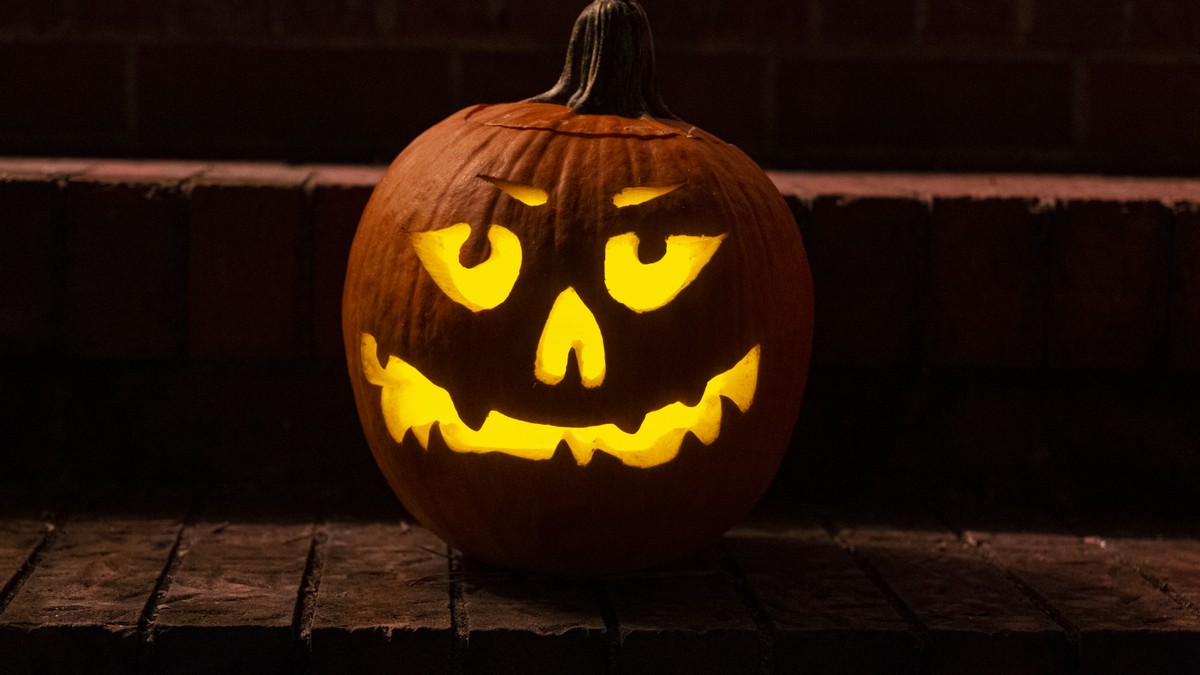
Right. Halloween lands on a Saturday this year, which means a lot of us get a whole afternoon of pumpkin carving and a full evening of trick or treating, with no school run the next morning to cut it short. Great news for the kids. Slightly less great for whoever ends up holding the knife, the lighter and the bag of sweets.
None of this is about spoiling the fun. It’s the checks fire services and safety charities repeat every October, in one place.
Where the pumpkin goes matters more than you’d think
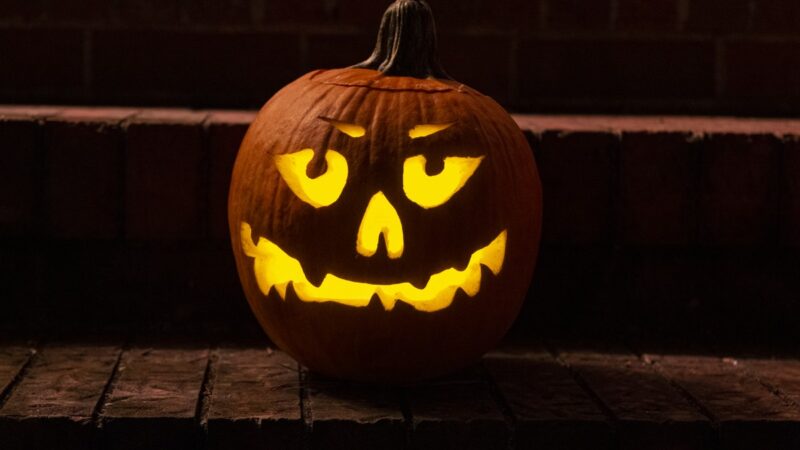
A Netmums piece at the weekend passed on a warning from a heating specialist about one very common spot: the windowsill above a radiator. It looks like the obvious place for the whole street to see it. But the warmth speeds up the rot, so you get a soggy, smelly pumpkin and damp around the radiator, and if there’s a real candle inside, a softening shell that could tip hot wax or flame.
The fix is simple. Somewhere cool, dry and stable, away from anything hot. A sheltered front step, a hallway table that isn’t next to a radiator, a shady corner.
And think about the path. Buckinghamshire Fire and Rescue Service says not to put candle lit pumpkins on the edge of paths or steps where trick or treaters’ costumes could brush them. Kids in capes do not look where they’re swishing. Fair enough, they’re eight.
Swap the tealight for a battery one
This is the easiest change on the list. Devon and Somerset Fire and Rescue Service, our local lot here in Exeter, put out its Halloween advice on Tuesday. It says around one in eight house fires it attends are started by naked flames such as candles and matches, and its first tip for pumpkins is battery powered LED tealights instead of candles. If one gets knocked over or left on all night, nothing happens.
If you do use a real candle, RoSPA’s Halloween guidance is clear. Supervise children and pets. Never let kids carry, light, play with or reach over a candle. Stable surface, away from anything that can burn, never left alone, and don’t carry a pumpkin about with a lit candle inside.
One catch with the battery ones. Plenty of LED tealights and light up costume bits run on button batteries, and RoSPA flags those too. The Child Accident Prevention Trust says a swallowed button battery can badly hurt or kill a small child, and if you think your child has swallowed one, go straight to A&E or call an ambulance. Check the battery covers are screwed shut and keep spares up high. Maja is four and pockets anything shiny, so ours live in a tin on top of the fridge.
Carving: treat it like a kitchen job
I spent years running kitchens, and a pumpkin is one of the trickiest things most families cut all year. Hard, round, slippery inside, and it wants to roll. RoSPA’s carving tips are proper tools made for pumpkins where you can, a stable surface in good light, cutting away from your body with fingers clear of the blade, close supervision and only age appropriate tools for kids. For younger ones it suggests paints, stickers or pens instead.
In our house that means a damp tea towel under the chopping board so nothing slides, me doing the lid and the big cuts with the blade pointing away, and the kids on scooping and design duty. Mise en place for small humans.
If someone does slip, the NHS advice on cuts is to press on the wound with a clean cloth, like a tea towel, and raise it. Call 999 or go to A&E if the bleeding won’t stop, if it’s a bad cut on the palm of the hand, or if the wound is very large or deep.
Costumes count as toys, not clothes
This is the bit I didn’t know before I had kids. Children’s fancy dress is classed as a toy rather than clothing, so it doesn’t have to meet the same safety standards as everyday clothes, as London Fire Brigade explains. Its buying checklist goes roughly like this:
- Look for a UKCA or CE mark on the packaging.
- Check there’s a UK manufacturer or importer name and address on it.
- Be wary of wording like “This item is highly flammable”, which you won’t find on a compliant costume.
- On online marketplaces, check who the actual seller is.
That last one matters this year. The Chartered Trading Standards Institute bought 11 children’s Halloween costumes from third party sellers on big online marketplaces and found 10 didn’t meet UK legal requirements. Mostly missing marks, warnings and seller details, plus some long ribbons and neck ties. Then on 22 October the government’s product safety office published a report on a Wednesday Addams costume sold on eBay, because the black wig kept burning for 10 to 15 seconds after the flame was taken away. The limit is 2 seconds. The listing has gone and owners are told to stop using it. Worth a look at the GOV.UK product safety alerts and recalls list.
Homemade isn’t automatically safer either. London Fire Brigade points out cotton, netting, felt and synthetic fabrics can all be highly flammable, and Buckinghamshire’s fire service warns against plastic capes and bin liner costumes. The practical fixes the fire services keep coming back to are normal clothes underneath (jeans, woollen tights or a jumper), nothing trailing on the ground or past the hands, and masks with eye holes big enough to actually see out of. Leo won’t wear a mask anyway (too hot, too scratchy, no thanks), so it’s face paint. Leo does it Leo’s way, and honestly, fair enough.
Practise stop, drop and roll before you go
Every fire service page I read says the same thing. Teach kids what to do if their costume catches fire: stop still, drop to the ground, cover their face with their hands, and roll over and over to put the flames out. London Fire Brigade suggests having a few practice goes. Kids think it’s a game, which is the point. Living room carpet, once they’re dressed up.
If there is a burn, the NHS says to hold it under cool running water for 20 minutes, take off clothing or jewellery near it unless it’s stuck to the skin, then lay cling film over it rather than wrapping it round. No creams, oils or butter. Call 999 or go to A&E if the burn is very large or deep or on the face, and call 111 if you’re not sure what to do, or for advice about a child under 5.
Out on the streets after dark
The clocks went back on Sunday, so it’ll be properly dark by the time most kids head out. RoSPA points out that children in dark costumes are harder for drivers to see, especially in rain or on badly lit streets. So torches, reflective strips or glow sticks on the costume, pavements wherever there are some, and crossing at proper crossing points. Devon and Somerset add don’t step out between parked cars or on a bend. Buckinghamshire’s fire service also says to make sure kids out trick or treating know how to call 999.
Driving that evening? RoSPA asks drivers to expect more children on residential streets and slow down.
When it’s all over
Don’t leave the pumpkin in the park or the woods. The Netmums piece says rotting pumpkin can harm wildlife and spread disease, so it goes in the food or garden waste bin. Ours usually becomes soup first. Old habits.
Right. Battery tealights in the basket, costume label checked, stop, drop and roll rehearsed on the carpet. Then go and enjoy it. I’m still learning, every single year.
Join the Dadsnet crew
Get weekly dad stuff in your inbox, with useful ideas, honest stories and a bit of dad chat from dads who get it.

Join the Dadsnet crew
Weekly dad stuff that actually helps. No spam, just the good bits.