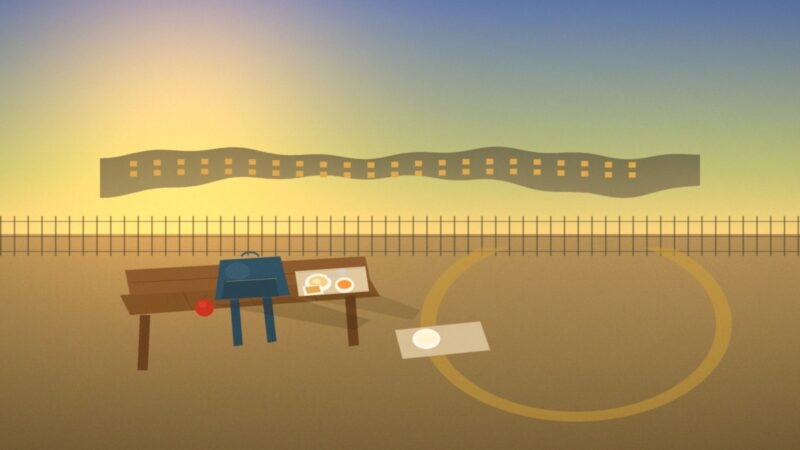
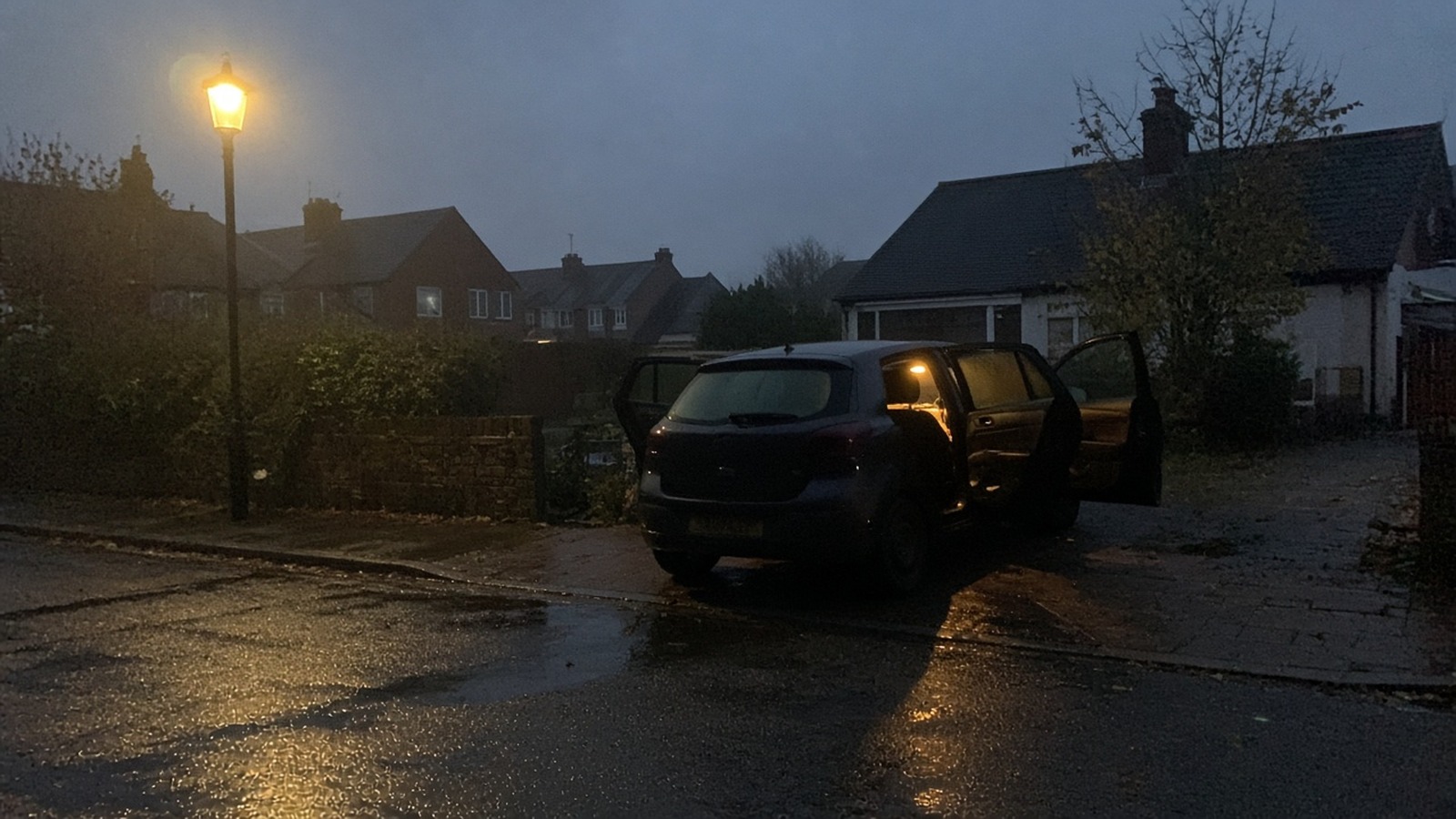
It’s twenty past eleven on a Saturday night, somewhere on a back road outside Cookstown, and a lad who passed his test a fortnight ago has three mates piling out of a party asking for a lift. A month ago that was just a slightly nerve wracking favour. Since 1 October, in Northern Ireland, it could cost him £1,000 and three points.
That’s the bit doing the rounds in parent group chats, and I can see why. But it’s only one piece of a much bigger shake up, and if you’ve got a teenager anywhere near driving age (Rohan is 16, and the word “lessons” has started turning up at the tea table with suspicious regularity), it’s worth knowing the whole lot.
Quick disclaimer. This is Northern Ireland only, for now. But dads in England, Scotland and Wales might want to read on anyway, for reasons I’ll get to.
What actually changed on 1 October
Northern Ireland brought in Graduated Driver Licensing, or GDL, on 1 October 2026. The Department for Infrastructure calls it the most significant reform to driver licensing and testing there in almost 70 years, and having read the detail, I don’t think that’s overselling it.
The short version goes like this. Learners now have to wait at least six months before they can sit their practical test. They have to work through a Programme of Training and fill in a logbook, on an app, before they’re allowed to book. Once they pass, the R plate stays on for two years instead of one. And for the first six months after passing, drivers under 24 have a limit on who they can carry late at night.
There’s one bit that actually loosens things. NI used to have a 45mph limit for learners and for new drivers in their first year, which always struck me as slightly odd (anyone who’s sat behind an R plate on a dual carriageway near Belfast will know the face people pull). Under GDL that’s gone. New drivers can go up to the posted speed limit like everyone else.
It’s all on the Department’s GDL FAQs page and in its June announcement, when the Assembly signed off the rules.
The night time passenger rule, in plain English
This is the one people will screenshot, so here it is as plainly as I can manage.
If your son or daughter is under 24 and passed their test in the last six months, then between 11pm and 6am they can carry no more than one passenger aged 14 to 20.
That’s it. Outside those hours, no limit. After those first six months, no limit.
There are two exemptions. Immediate family members don’t count, so fetching a younger brother or sister from a late shift or a party is fine. And the limit doesn’t apply if there’s someone in the front seat who is 21 or over and has held a full licence for at least three years. So if you’re sat up front, they can drop the whole five a side team home. Whether you want to be sat up front at midnight on a Saturday is another matter.
It doesn’t apply to motorcyclists either.
Break it and the potential penalty is a £1,000 fine and three penalty points. The points matter more than they sound, because new drivers are on a two year probationary period, and six points in that time means the licence is revoked and they have to take the test again. Two slip ups, basically. That’s not a lot of room.
The Department is fairly upfront that the PSNI will enforce it, but that in practice it expects parents, guardians and the young drivers themselves to be the main enforcers. Which, reading between the lines, means you. Lovely.
Two years of R plates, and two colours
For two years after passing, new drivers have to show an R plate. For the first six months it’s a blue R on a white background, which also tells the police the driver is still in the passenger restriction window. For the remaining 18 months it’s a white R on a blue background. Not displaying one carries the same potential £1,000 fine and three points.
The old amber plate hasn’t vanished overnight, though. Which brings me to the confusing bit.
Who it applies to, and the dates that matter
GDL covers learners of any age whose provisional entitlement to drive a car (or ride a motorbike) began on or after 1 October 2026. For most teenagers the earliest that can be is their 17th birthday, and the six month clock starts from the date the car provisional begins. A tractor or moped licence doesn’t count towards it, which I suspect will go down well on a few farms.
If your teenager already had their provisional before 1 October, they can carry on learning the old way and take the current test up to and including 31 March 2027. Pass in that window and they stay on the old rules: amber R plate and the 45mph limit for 12 months.
From 1 April 2027, every learner has to have done the GDL Programme of Training and logbook before they can book a test, and a new style practical test comes in. According to the Department it’ll have around 20 minutes of independent driving, following a sat nav, and the show me, tell me questions asked on the move rather than in the car park. The pass standard itself isn’t changing.
So if you’ve got a learner in NI who’s been dawdling, that 31 March date is a nudge. Or not, if they’d rather wait for the system without the 45mph limit. I’d talk it through with their instructor.
A few other practical bits. The logbook app costs £17. The training can be signed off by an approved instructor or a supervising driver, so nobody’s being forced into extra paid lessons, and the test fee isn’t going up. Anyone who can show they’re entitled to Carer’s Allowance is exempt from the six month wait, though they still have to do the training and the logbook. Fair enough, if someone’s relying on them.
Why they’ve done it
The figures are the reason, and they’re grim enough without anyone adding drama. In 2024, according to the Department, drivers aged 17 to 23 held 8% of licences in Northern Ireland but were involved in 24% of fatal or serious collisions. There were 164 people killed or seriously injured in collisions where a car driver in that age group was responsible. And 71% of people killed or seriously injured in collisions involving a driver aged 17 to 23 were on rural roads.
Anyone who’s driven the back roads of Tyrone after dark won’t be surprised by that last one.
The Department points to Transport Research Laboratory findings that schemes like this cut collisions involving young drivers by somewhere between 5% and 40%, depending on how strict they are. Australia, Canada, Norway, Sweden, Finland and parts of the US all have versions, and the Republic has its own learner and novice driver rules too.
Plenty of parents will have mixed feelings, mind. Rural teenagers who need a car to get to work or college. The sensible mate who stays off the drink so everyone else gets home. In my day (I know, I know) the friend with the car was a hero, not someone risking a fine. The Department’s line is that the restrictions are temporary and cover the riskiest stretch. I can see both sides, honestly.
If you’re not in Northern Ireland
So why should a dad in Leicester, or Leeds, or Livingston care?
Lots of families have relatives in NI, and teenagers do end up ferrying cousins about in the summer. I couldn’t find a clear answer on the Department’s pages about exactly how these rules apply to someone driving over there on a licence from England, Scotland or Wales, so if that’s likely in your house, check with the DVA and your insurer before assuming either way.
Then there’s whether the rest of the UK follows. It’s been argued about on and off for years, and nothing like this package is in place in Great Britain right now. But Northern Ireland has gone first, and people will be watching.
And this is the bit I keep coming back to. You don’t need a law to have a house rule. Loads of families already do something informal, like text when you get there, no motorways for the first few weeks, or no car full of mates after a certain time. The NI rules are basically a template, written down by people who’ve spent a long time staring at crash figures. There’s nothing stopping you borrowing the bits that make sense for your kid, R plate or no R plate.
If you’re in NI with a new driver in the house, maybe stick the passenger rule on the fridge. Next to the takeaway menus, where it’ll actually get read.
Sources: Department for Infrastructure, Graduated Driver Licensing FAQs and Green light for Graduated Driver Licensing from October.
Join the Dadsnet crew
Get weekly dad stuff in your inbox, with useful ideas, honest stories and a bit of dad chat from dads who get it.
Join the Dadsnet crew
Weekly dad stuff that actually helps. No spam, just the good bits.