Designing a garden that satisfies energetic children, curious pets, and relaxation-seeking adults can feel like a balancing act. However, with a few clever design choices, you can create a safe, beautiful, and highly functional outdoor space everyone will love. Here are 20 hints and tips for the ultimate family-friendly garden:
- Zonification is Key: Divide your garden into distinct areas—such as a play zone, a dining area, and a quiet relaxation corner—so adults and children can enjoy the space simultaneously.
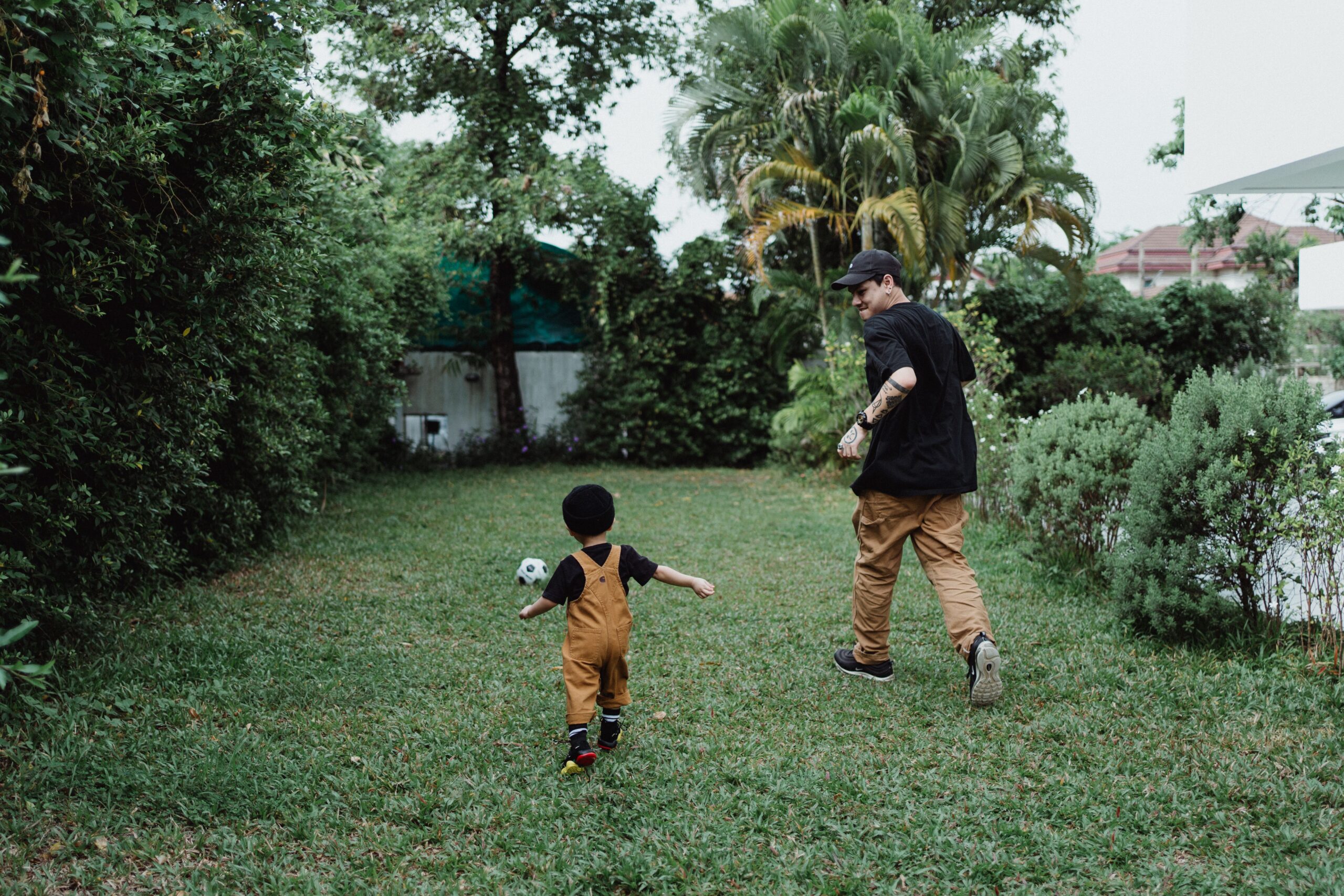
- Choose Robust Turf: Opt for a hard-wearing lawn seed or turf mix (usually containing perennial ryegrass) that can withstand football matches, running dogs, and heavy foot traffic.
- Incorporate Creative Retaining Structures: If your garden has different levels, steep slopes, or banks, safety is paramount for little ones. Using gabion baskets from Ultimate One is a brilliant solution. They create exceptionally sturdy retaining walls to level out the ground, preventing slips and falls while looking incredibly stylish and contemporary.
- Create Soft Walkways: Avoid sharp gravel or slippery tiles on main paths. Soft woodchips, smooth paving stones, or artificial grass are much gentler on bare feet and knees.
- Plant a Sensory Garden: Choose plants with interesting textures and scents, like lamb’s ear (which is incredibly soft to touch), fuzzy sunflowers, and fragrant mint or rosemary.
- Prioritise Safety First: Check your garden for toxic plants (such as Foxgloves or Yew) and remove them, especially if you have toddlers or curious pets.
- Build a Living Willow Structure: Instead of plastic playhouses, consider planting a living willow wigwam or tunnel. It’s an eco-friendly hiding spot that grows and changes with the seasons.
- Designate a Digging Zone: If you want to save your flowerbeds, give children their own dedicated mud kitchen or a large sandbox where they are explicitly allowed to dig and get messy.
- Add Storage for Toys: Scatter-proof your garden by installing waterproof storage benches. They double as seating for adults and a quick place to chuck outdoor toys at the end of the day.
- Install Low-Maintenance Borders: Use hardy shrubs and perennials (like hydrangeas and cranesbill geraniums) that don’t require constant coddling and can survive a stray football or two.
- Create a Wildlife Haven: Hang bird feeders, install a bug hotel, or leave a small patch of grass to grow wild. It provides endless educational entertainment for kids.
- Opt for Smooth-Edged Furniture: When buying patio sets, look for rounded edges rather than sharp corners to minimise accidental bumps during high-speed games of tag.
- Include “Secret” Paths: Children love adventure. Create narrow, winding pathways using stepping stones through deep borders or behind bushes for them to explore.
- Grow Your Own Food: Easy-to-grow crops like strawberries, cherry tomatoes, and sugar snap peas are fantastic for kids. They love harvesting and eating them straight from the garden.
- Ensure Secure Fencing: Double-check that your perimeter fences are secure, high enough to prevent adventurous pets from jumping over, and free from gaps at the bottom.
- Create Shade Zones: Protect delicate skin from the summer sun by positioning play areas under large trees, or installing sail shades and pergolas.
- Use Vertical Space for Gardening: If floor space is at a premium because of play equipment, use wall planters, trellises, or vertical pallet gardens to keep your greenery up high.
- Add Night-Time Magic: Install solar-powered fairy lights or lanterns. It extends the usability of the garden into the evening for older kids and gives adults a cozy ambiance after bedtime.
- Set Up a Blackboard Wall: Paint an exterior wall or a sturdy fence panel with outdoor chalkboard paint. It provides a massive canvas for outdoor art without the mess inside.
- Keep It Adaptable: Remember that children grow fast. Design your garden with flexibility in mind—a space used for a sandbox today could easily become a tranquil water feature or a fire pit area in five years’ time.