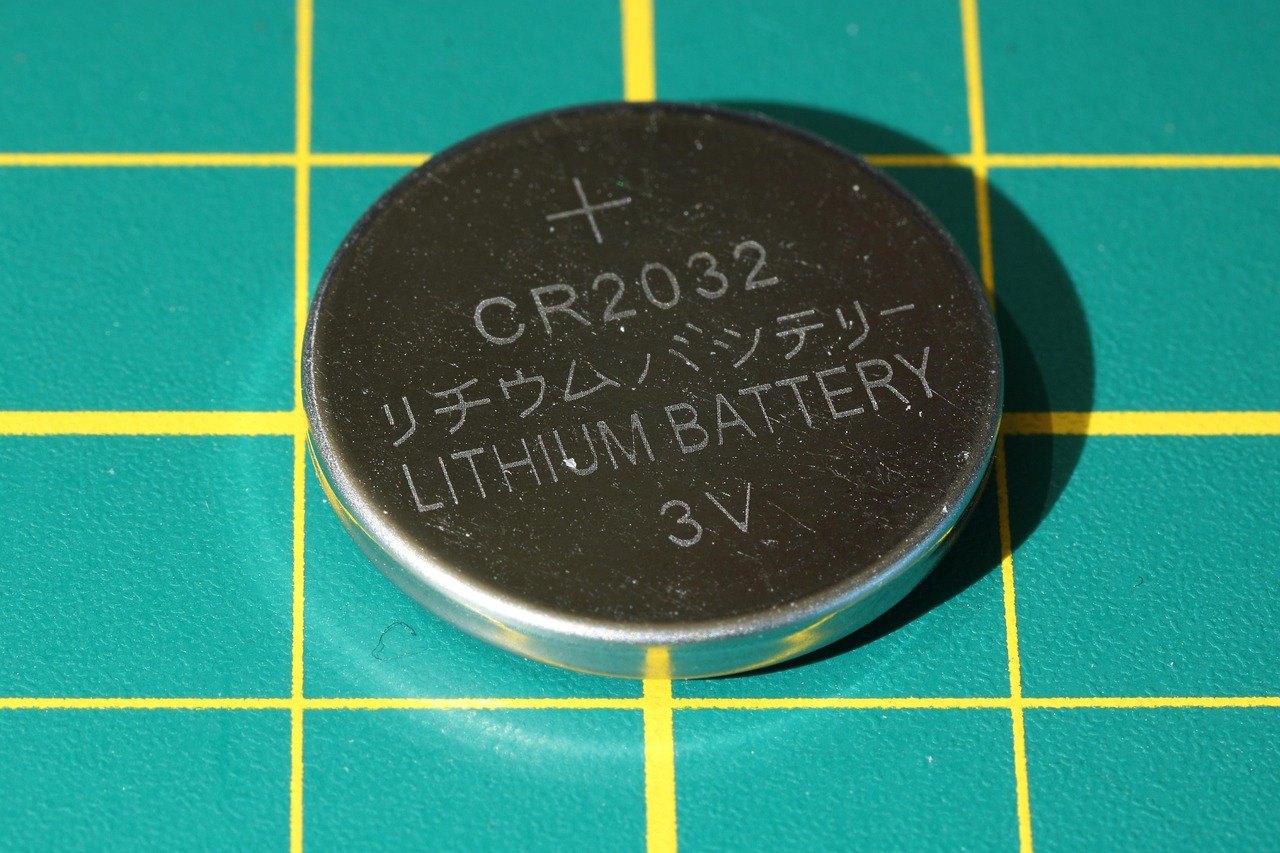
There aren’t many things I’d single out from my job as “please, every parent, know about this”. Button batteries are one of them.
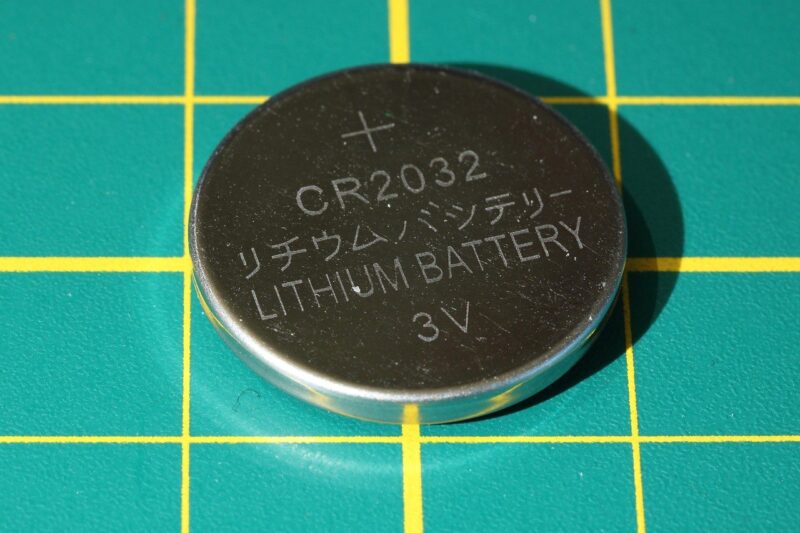
They’re the small, round, silver batteries that look like a coin. And at Christmas, our homes fill up with them. Flashing jumpers, light-up decorations, talking books, car key fobs, kitchen scales, tea lights, remote controls for new toys and gadgets.
Why they’re so dangerous
The Child Accident Prevention Trust (CAPT) puts it bluntly: button batteries “can badly hurt or kill a small child if they swallow one”.
If a lithium coin battery gets stuck in a child’s throat, it reacts with saliva and causes a chemical burn. It can burn through the food pipe in a matter of hours. And a child may not show obvious signs straight away, which is what makes it so frightening.
CAPT tells the story of Harper-Lee, who swallowed a button battery from a remote control. “Within hours it burnt through her food pipe to her main artery and she haemorrhaged to death. She was two years-old.” Her mum didn’t know she’d swallowed it.
I’m not sharing that to scare anyone. I’m sharing it because it’s preventable.
Where they hide at Christmas
Have a look round your house this weekend, and again after the presents are opened. Think about:
- remote controls, including new ones for TVs, lights and toy cars
- light-up Christmas jumpers, hats and novelty decorations
- battery tea lights and candles on the windowsill
- musical greetings cards
- car key fobs
- kitchen and bathroom scales
- watches, thermometers and hearing aids
- small gadgets in stockings and advent calendars
The Office for Product Safety and Standards runs a campaign called “small hazards, big harm”, which also covers small, powerful magnets. These are found in some toys and fidget gadgets, and if a child swallows more than one they can attract each other through the gut. Worth keeping an eye on those too.
The five checks
CAPT’s top tips are simple:
- Look around your home for button batteries. Think toys, lights, remote controls and more.
- Check for products with loose backs and batteries that have dropped out.
- Store spare button batteries in a safe place, up high and out of reach.
- Dispose of used button batteries as soon as you can. They are still unsafe when “dead”.
- Act fast. If you think your child may have swallowed one, go straight to A&E or call an ambulance.
A few extra tips from me
- Choose products with a screw-fastened battery compartment for anything going to little ones. Give the screw a check after Christmas, as they can work loose.
- Change batteries out of sight of small children, so they don’t learn where they come from.
- Wrap used batteries in sticky tape before you recycle them, and take them out of the house to a recycling point rather than leaving them in a drawer.
- Think about visiting homes. Grandparents’ houses often have hearing aid batteries, watches and scales lying around. Have a quick look when you arrive.
- Don’t let toddlers play with the remote, however much they love it.
What to do in an emergency
If you think your child has swallowed a button battery:
- Go straight to A&E or call 999. Don’t wait for symptoms.
- Take the packaging or the product with you if you can, so the team knows the battery type.
- Don’t make them sick, and don’t give them anything to eat or drink unless a medical professional tells you to.
CAPT has more detail on what to do in an emergency, including advice on whether to give honey, on its website. Have a read now, while it’s calm, rather than trying to find it at 9pm on Boxing Day.
And the toys themselves
Separately, it’s worth buying toys from shops and sellers you know. Trading Standards warnings this year about fake toys, including squishies, have flagged missing safety information on some products sold online.
None of this means you can’t enjoy the light-up reindeer jumper. Just keep the batteries locked away, check the backs are screwed on, and if in doubt, get them seen. Fast.

Join Dadsnet
Weekly dad stuff that actually helps. No spam, just the good bits.