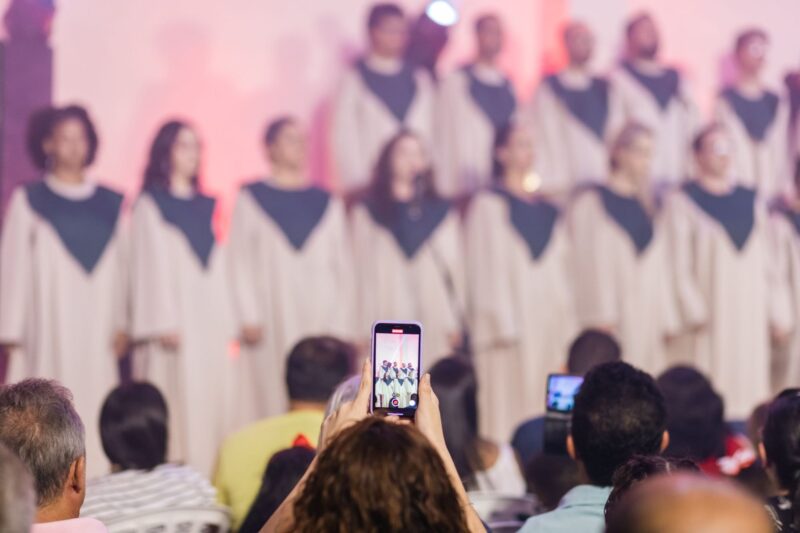
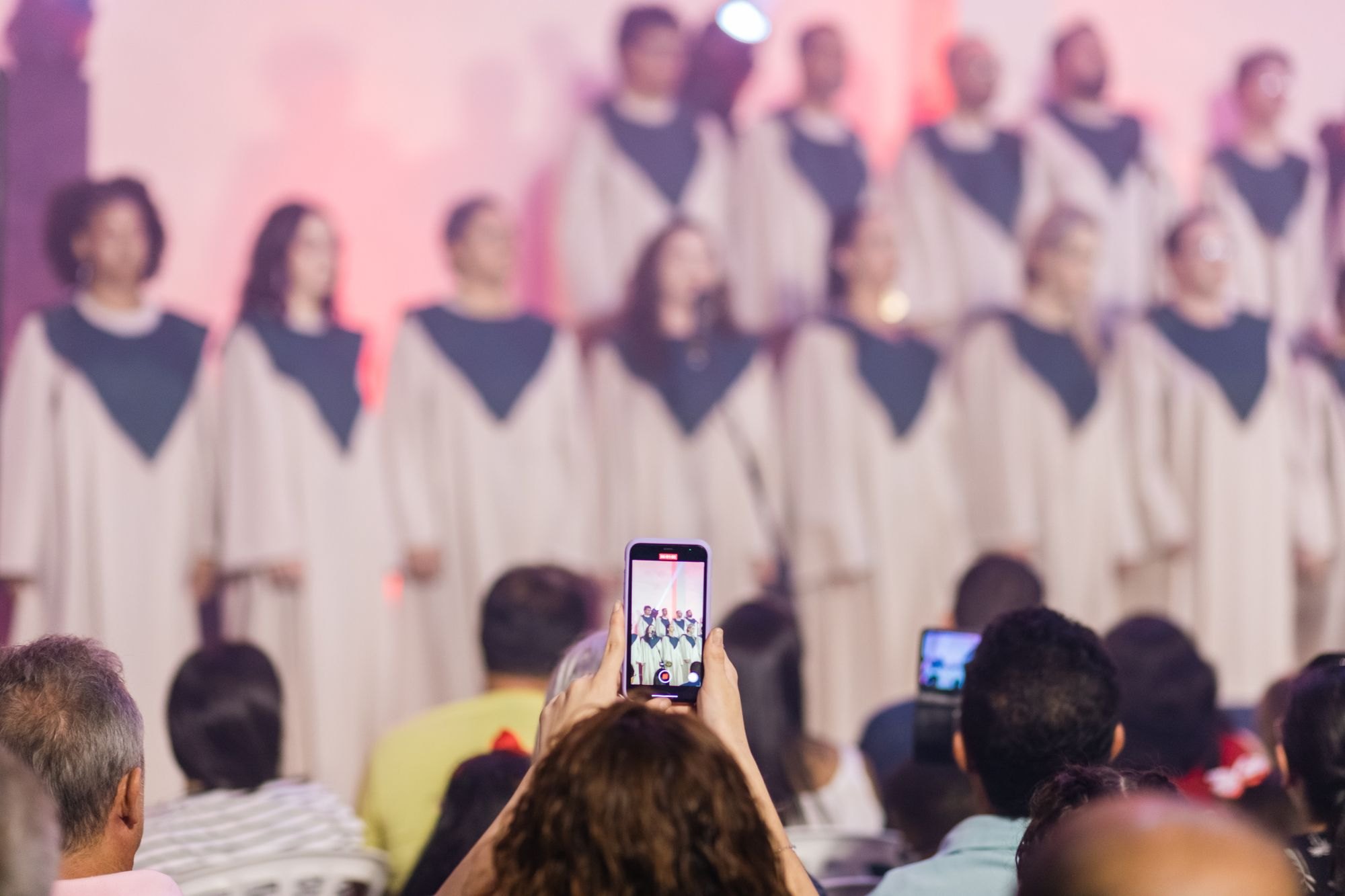
It’s that time of year. The tea towel is back on the shepherd’s head, someone’s been cast as Third Sheep, and the class WhatsApp group is asking whether we’re allowed to film it this year.
Every December the same question comes up, and every December somebody in the group says “it’s against GDPR”. So here’s what the rules actually say.
Is filming against data protection law?
No, not if it’s for you. The Information Commissioner’s Office, which oversees data protection in the UK, says on its website that data protection law “doesn’t apply to the use of personal data for ‘purely personal or household activity'”.
It even uses the nativity as its example: “Grandparents are invited to the school nativity play and wish to video it. These images are for personal use and the law does not apply.”
So the idea that filming your own child in the school play is illegal is a myth.
But your school can still say no
Here’s the bit that matters. The ICO is clear that “schools may have their own policies, separate from data protection law, on whether or not they allow parents or guardians to take photos or videos at school events.”
There are often very good reasons for that. Some children in the class might be fostered or adopted, or there may be a court order or a safeguarding reason why their image must not end up online. The ICO points to the NSPCC for examples of when sharing photos could put a child at risk.
As a teacher, I can tell you schools don’t make these rules to spoil anyone’s fun. Usually there’s one child in that hall whose safety genuinely depends on it, and the school can’t tell you who.
So if the letter says no filming, or “photos at the end only”, please go with it.
Where dads get it wrong: posting it online
The ICO draws a clear line between private and public sharing:
- Posting to a private account only friends and family can see “is likely to fall within the definition of personal use”.
- Posting to a public account, “viewable by an indefinite number of people, this is likely to go beyond personal use”. Then data protection law may apply, and you need to think about whether the other children’s families would reasonably expect it.
In plain terms, a clip of the whole class singing Away in a Manger, posted publicly on Facebook or TikTok, is very different from a video of your daughter sent to Grandma on WhatsApp.
A few simple rules that keep everyone happy
- Read the letter. If the school has a policy, stick to it.
- Crop to your child. If you do take photos, focus on yours, and crop others out before sharing.
- Share privately. Family WhatsApp, not public social media.
- If someone asks you to take a photo down, do it. The ICO says that in most cases account owners should agree to requests to remove images of another person’s child.
- Watch, don’t just film. Your child will look out into the audience to find you. Let them see your face, not the back of your phone.
That last one is the one I’d most like dads to take away. I’ve watched a lot of school plays from the side of the stage, and the kids are always scanning the crowd for their mum or dad. The moment they spot you waving is the bit they’ll remember.
Schools increasingly film it for you
More and more schools now record the performance themselves, or let a nominated parent do it, and share it with families through a secure system. If your school does this, the ICO says the school must tell parents how the footage will be used and have a valid reason under data protection law to use it. That’s often the best of both worlds. Everyone gets a copy, and you get to actually watch.
And if your little one turns out to be the angel who waves at you for the whole of Silent Night? Honestly, that’s the best bit anyway.

Join Dadsnet
Weekly dad stuff that actually helps. No spam, just the good bits.