

With the cost everyday items and services going through the roof, we are all looking to reduce outgoings. A car, for many people, is a crucial way of getting around but it comes with a hefty price tag for fuel, maintenance, tax, insurance and so on. Slashing some of these expenses would certainly help many people right now, but how do you cut the cost of running a car?

It is important to know how to make car ownership as efficient and cost-effective as possible. With many UK families in transport poverty, we have put together some tips to help drive down the cost of motoring.
Tips to cut the cost of running a car
Shop around for insurance
Insurance is one thing everyone driving in the UK needs and it’s often seen as one of the biggest car expenses. While it can seem easier to let it automatically renew once your policy comes to an end, this could be adding hundreds of pounds to your insurance policy.
So shop around. There is all manner of comparison sites available online that’ll be able to give you the best possible price, though picking up the phone and ringing providers directly can be worth a go too. A little bit of effort, but the chance to make some savings.
If you can, pay for your insurance in full
It’s not an option for everyone, but if you’re able to pay for your insurance policy in a lump sum rather than monthly then it’s well worth doing. By going down this route, you’ll avoid paying interest on your policy. Of course, if spreading your insurance policy over 12 months will avoid putting pressure on finances elsewhere, then this option is still valid and it ensures that you’ve got cover.
The same can be said for vehicle excise duty, commonly known as road tax and another cost of running a car. Though there’s the option to split it into smaller monthly payments, you’ll save money by paying it in full for a 12 month period.
Give an accurate mileage figure

Insurance policies require you to estimate how many miles you’ll be travelling in your car. Now, it’s worth thinking back to the previous year to determine just how much driving you’ve done. Did you drive as many miles as you think you did? Overestimating your mileage can quickly ramp up your policy cost, so keep a note of it and be as accurate as possible to shave off money.
Maintain your car well

Getting ahead on your car’s servicing can help avoid other mechanical issues down the road. Making sure that your car has had regular servicing will keep it running as efficiently as possible. Mechanics can also check to see if there are any issues that could cause a problem later on, saving you repair costs that could quickly spiral.
Regular servicing will also bring down day-to-day costs through better fuel economy and lower oil use. This is important for the cost of running a car.
Avoid using premium fuels
Filling up with a premium fuel will add quite a bit more money to a full-tank fillup. If you’re trying to keep costs down it’s a better idea to opt for regular fuel.
Though many sports and performance vehicles require premium fuels, regular petrol and diesel cars will run perfectly well on ‘standard’ fuel.
Look around for the cheapest fuel

Fuel prices have spiked in recent months, but that doesn’t mean that you can’t look around for the cheapest fuel possible. Check your local area as you drive around and make a note of the cheapest station so that you can head for that one the next time you fill up.
Don’t be tempted to drive out of your way for cheaper fuel, mind you, as this doesn’t work out in the long run. It’s also worth steering clear of motorway fuel unless you really need to – it brings a hefty premium over more local stations.
Check your tyres

Your tyres have a big impact on your car’s fuel usage. These days, there are many ‘eco’ tyre options out there, which offer a lower rolling resistance. These help to increase your car’s fuel economy.
There’s no loss of grip or reduction in safety with these tyres, either. If you can, then you could notice a real difference in swapping to an eco tyre.
Make sure your tyres are at the right pressure
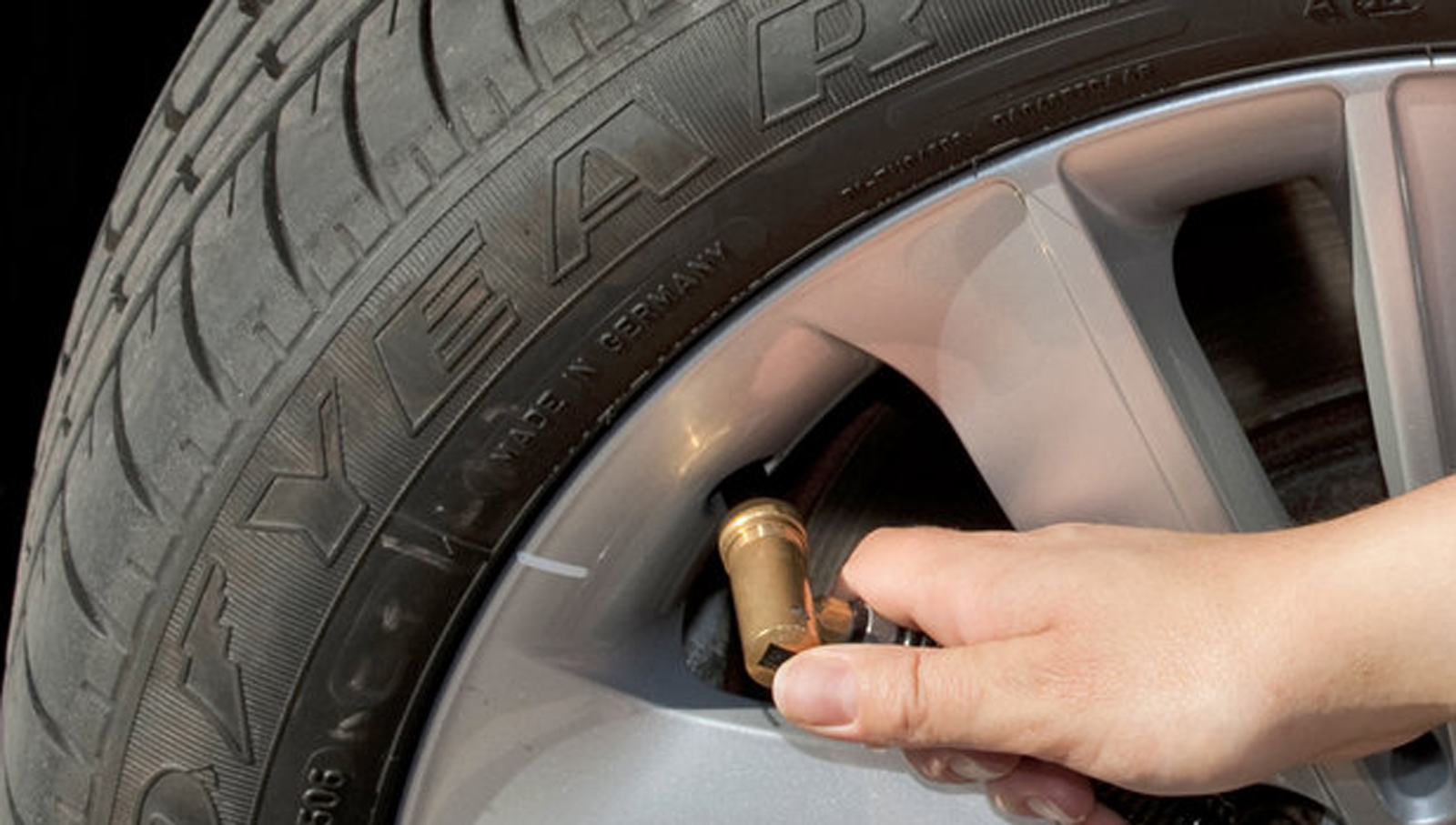
If your tyres are in good condition, however, it’s a good idea to stick with them. Even so, you should make sure that they’re inflated to correct pressures as this can have a real impact on fuel usage and, therefore, the cost of running a car.
An under-inflated tyre will cause your car to use more fuel, so make sure that they’re topped up with air regularly. You’ll find the manufacturer’s recommended pressures for your car in a panel behind the fuel filler flap, in the door shuts or within the vehicle’s handbook.
Leave out any unwanted items from your car
Extra weight in your car uses up fuel, so have a good look around to see if there’s anything you could leave out. Additional coats, boxes and bags can all add to a car’s weight. If you don’t need them – leave them out.
Also, make sure to remove any unused roof racks or top boxes. These have a huge impact on fuel economy and can quickly drive up how much fuel you’re using.