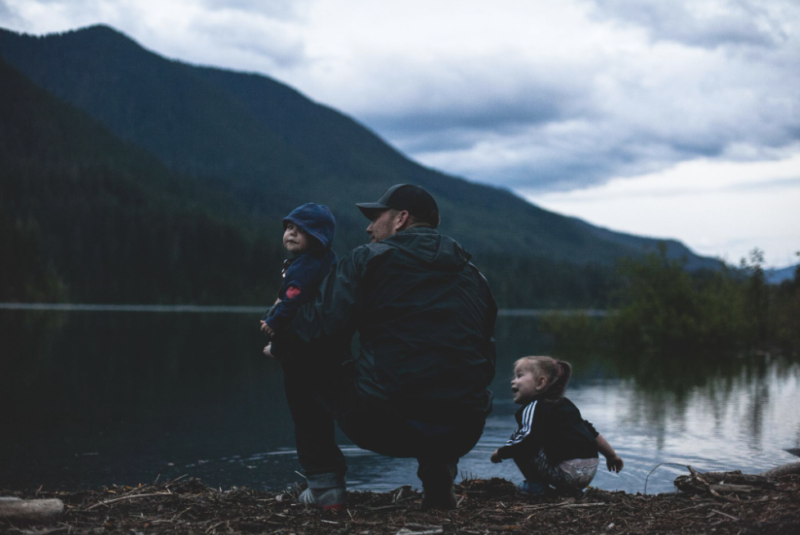
It’s the moment we’ve all been waiting for. The weather forecast is finally looking less like a bleak November morning and more like a proper holiday. Word on the street is we’re about to get a massive blast of sunshine just in time for the school holidays, with temperatures set to skyrocket.
Naturally, every dad in the country has the same summer plans: unearth the paddling pool from the back of the shed, wrestle with the foot pump, and get the beers on ice.
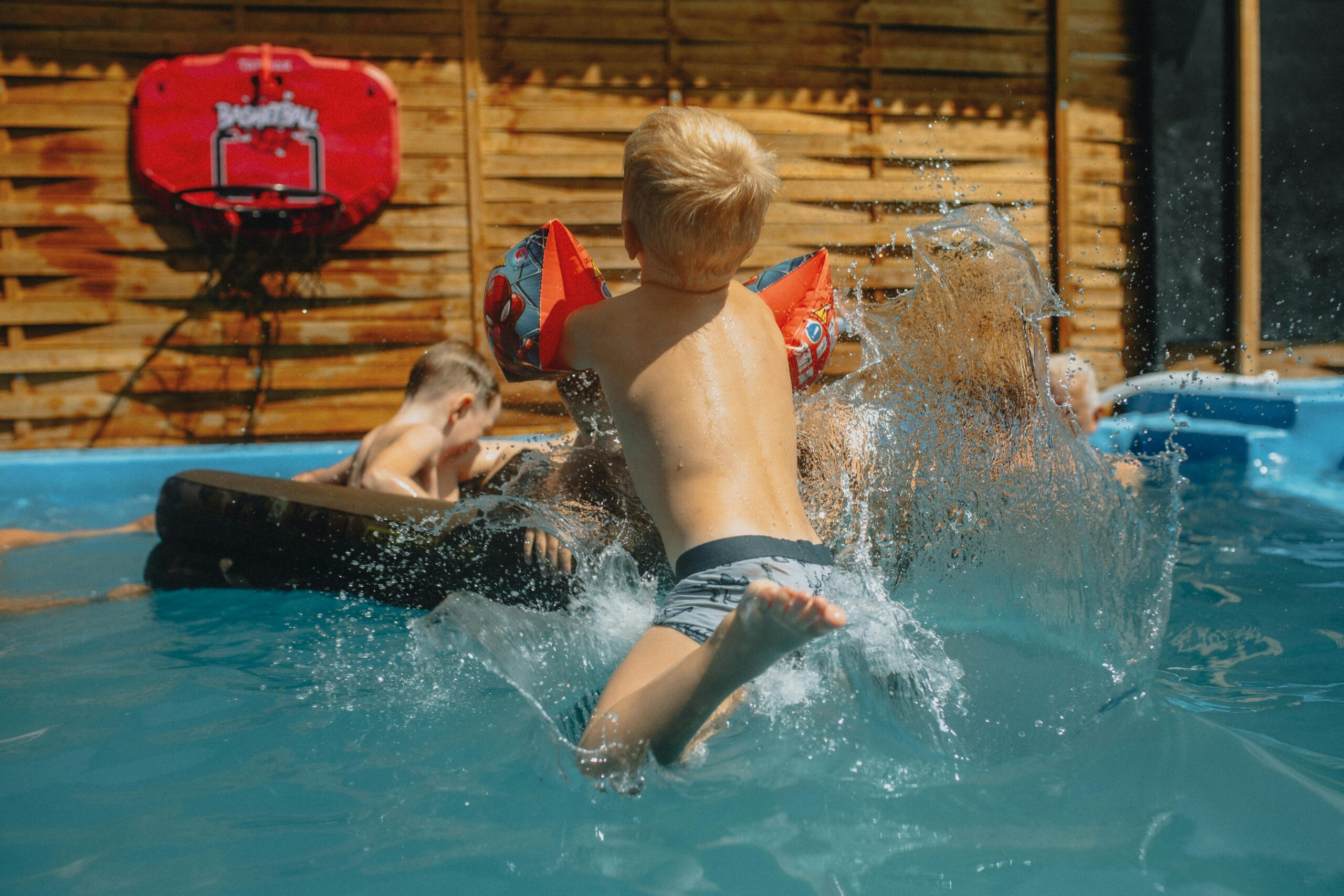
But before you let the kids loose in the garden, we need to talk about basic pool prep. It’s easy to think a paddling pool is just “set and forget”, but a bit of prep goes a long way to keeping everyone safe.
Here is your quick, no-nonsense guide to keeping the kids safe, the water clean, and your sanity intact this summer.
1. The “Shed Funk” Deep Clean
If your paddling pool has spent the last nine months compressed into a tight ball in a damp loft, garage, or garden shed, do not just fill it up and hope for the best.
Winter storage is an absolute breeding ground for mould, dust, and bacteria. Giving it a quick blast with the garden hose isn’t going to cut it when the kids start inevitably splashing it into their mouths.
-
The Dad-Friendly Hack: You don’t need harsh chemicals that will ruin the grass or irritate your kid’s skin. Mix a 50/50 solution of white vinegar and warm water. Grab a sponge and scrub down the seams, folds, and inflatable rings where the nasty stuff hides.
-
The Final Step: Give it a thorough rinse with fresh water and let it air-dry in the sun for a few minutes before the big fill.
2. Ditch the “Ice Bath” Routine
We’ve all done it: hooked up the garden hose, filled the pool straight from the outdoor tap, and watched the kids turn instantly blue.
While a freezing blast might sound refreshing to us when it’s hot out, babies and toddlers can’t regulate their body temperature like adults can. Cold water can cause genuine discomfort, chills, or, in worst-case scenarios, rapid hypothermia.
-
The Sweet Spot: The ideal temperature for children’s paddling pools in the UK is generally considered to be between 29°C and 31°C.
-
How to Fix It: Don’t just rely on the “elbow test”. Steal the baby’s bath thermometer to check. Top it up with a couple of kettles of hot water to take the sting out of the hose water.
3. The Dog Factor
If you have a dog, you don’t have a paddling pool; you have a community bath. Even if your dog isn’t a swimmer, just them tearing around the garden kicks up mud, grass, loose fur, and bacteria that easily transfers into the water.
If the dog has access to the garden, assume the water is contaminated by mid-afternoon. Refresh the water regularly, and if it’s looking a bit murky, dump it and start fresh.
⚠️ The Golden Rule: Constant Supervision
It sounds obvious, but it can’t be overstated. Children can drown in as little as 2cm of water.
Drowning doesn’t look like it does in the movies; there’s usually no splashing, shouting, or waving for help. It happens silently and in seconds.
Put the phone inside: It takes two seconds to look at a text, which is all it takes for an accident to happen.
Stay in arm’s reach: If you need to nip inside to grab a drink or answer the door, the kids come with you. No exceptions.
The Post-Match Breakdown: What to Do at 5 PM
When the sun goes down and the kids are exhausted, don’t just leave the pool sitting there. Standing water is an open invitation for curious toddlers to wander over and fall in, not to mention it becomes a graveyard for bugs and leaves.
If you plan on using it again the next day, invest in a decent cover to secure it. If not, empty it immediately. Your lawn will thank you, and you can rest easy knowing the garden is safe for the evening.
Get the pump out, get the water warm, and enjoy the sunshine, dads. Just keep it safe.