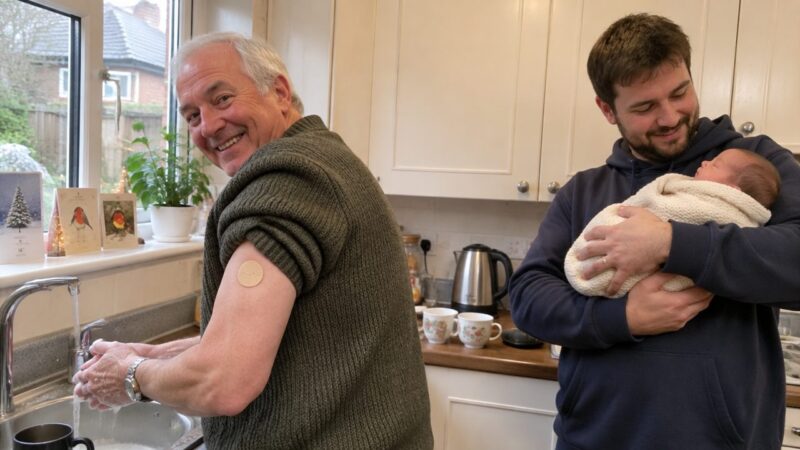

I’m a paramedic, so this time of year I see the winter bugs from both ends. At work, and at home when the four year old comes back from nursery looking a bit grey around the edges.
The latest figures suggest this winter’s bugs are starting to get going, so here’s a quick, practical round-up.
What the figures say
The UK Health Security Agency’s latest flu report, covering early November, says flu activity increased and a briefing note has gone out to the NHS because it is now above baseline levels. It’s still described as “low”, but it’s heading the wrong way.
The detail parents will notice: flu A positivity was highest in children aged 5 to 11, at 12.8%, up from 10.7% the week before. Hospital admissions for flu also rose.
Sickness bugs are on the move too. UKHSA’s norovirus report says lab reports were 40% higher than the previous fortnight, though still within expected levels for the time of year. The highest rate was among 0 to 4 year olds. RSV, which causes bronchiolitis in babies, is also creeping up, with GP visits and A&E attendances for bronchiolitis rising in young children.
Sickness bug? The 48-hour rule
This is the one that catches families out. UK guidance says children should stay off school or nursery for at least 48 hours after their last episode of vomiting or diarrhoea, whichever happened later.
Consultant paediatrician Dr Arindam Das explained it well to Netmums this week: “Two days means a full 48 hours, not simply ‘the day after tomorrow’.”
So if your child was last sick at 10am on Wednesday, the earliest they should go back is 10am on Friday, and only if there’s been nothing since and they feel well enough. For toddlers in nappies, one soft but otherwise normal poo doesn’t restart the clock, but a clearly watery one does.
It’s a pain when you both work. But sending them back early is how a whole class goes down with it, and possibly their teacher, and then the bug comes back round to you.
Looking after them at home
- Fluids, little and often. Norovirus can cause dehydration, especially in young children. Sips of water, diluted squash or oral rehydration sachets from the pharmacy.
- Wash hands with soap and water. Hand gel doesn’t kill norovirus reliably. Soap and water does.
- Clean up with bleach-based products and wash soiled bedding on a hot wash.
- For flu, rest, fluids, and paracetamol or ibuprofen at the right dose for their age if they’re uncomfortable. Always check the packet.
The flu vaccine is free, and it’s not too late
The NHS children’s flu vaccine is offered free to:
- children aged 2 or 3 on 31 August 2026
- school-aged children from reception to year 11, usually at school
- children aged 6 months to 17 with certain long-term health conditions
For most kids it’s a quick nasal spray, not a needle. Two and three year olds get it at the GP, and you can also book online or at some pharmacies. If your child missed the school session, ask about a community clinic. The NHS says some pharmacies will also offer school-age vaccinations from 1 December. It takes up to 14 days to work, so the sooner the better if you want them covered for Christmas.
When to get help
This is the bit I really want dads to take in. Trust your gut. You know your child.
Call 111 or speak to your GP if your child:
- is not drinking much, or has had fewer wet nappies or wees than usual
- has a high temperature that won’t come down, or lasts more than a few days
- seems to be getting worse rather than better
- is under 3 months with a temperature of 38C or more
Call 999 or go to A&E if your child:
- is struggling to breathe, or you can see the skin pulling in between their ribs
- is unusually floppy, drowsy or hard to wake
- has a rash that doesn’t fade when you press a glass against it
- has blue, grey or very pale skin or lips
- has a fit
Since earlier this month, parents’ worries now count in children’s A&E checks in England, under the new PEWS approach. If you’re worried, say so clearly. Your instinct matters.
A last word from the back of the ambulance
Most winter bugs are miserable rather than dangerous, and most kids bounce back quickly. But get the flu vaccine done, take the 48-hour rule seriously, and keep the fluids going. And make sure the grown-ups wash their hands too. We’re usually the ones who spread it round the house.

Join Dadsnet
Weekly dad stuff that actually helps. No spam, just the good bits.