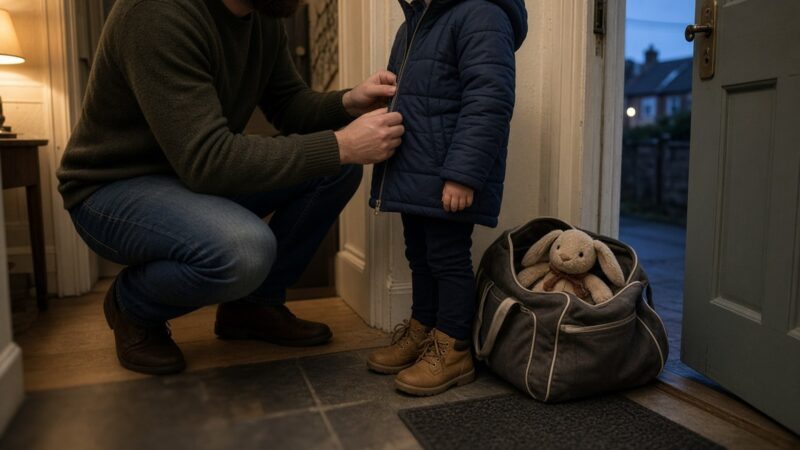
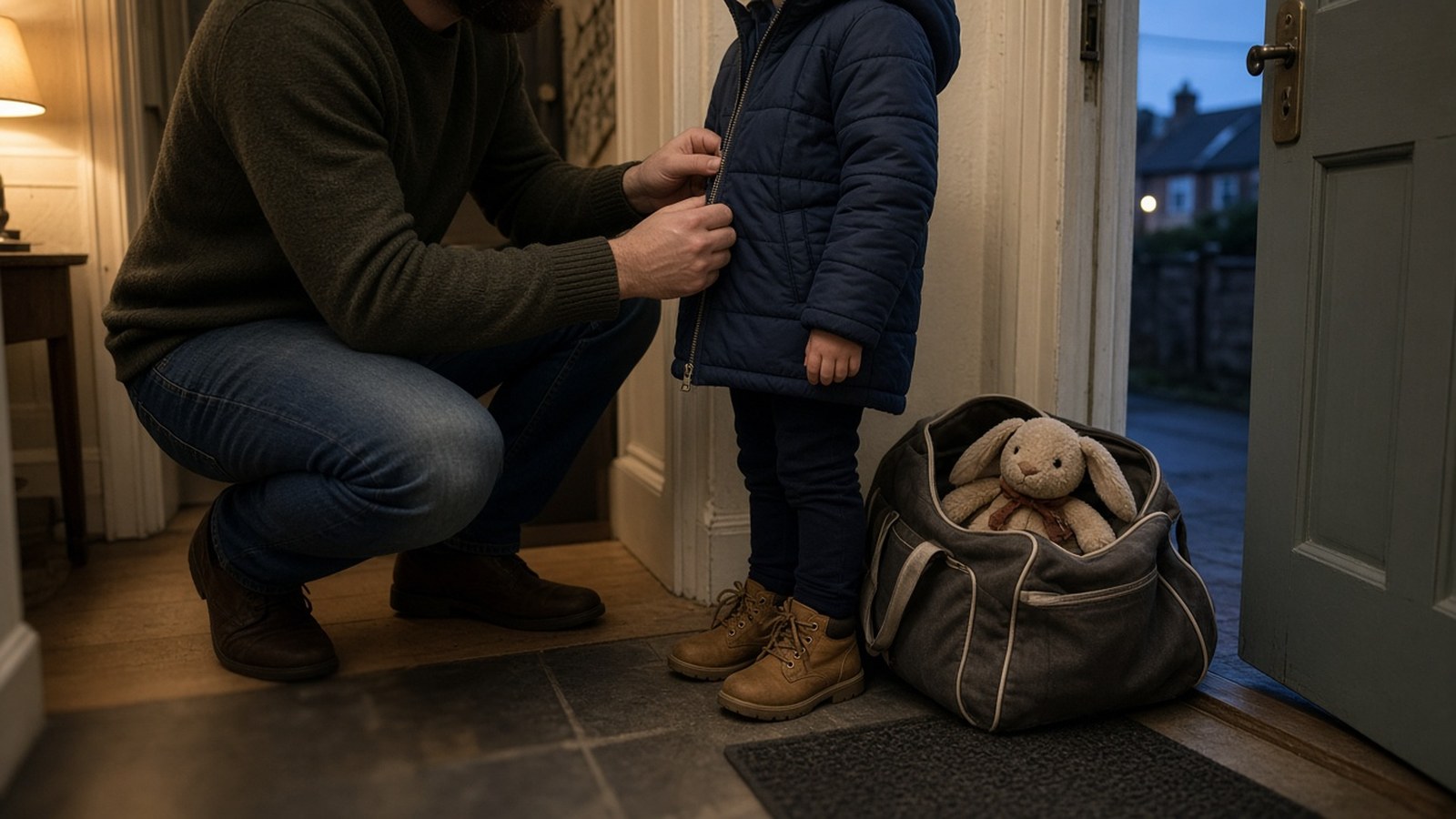
Sunday, just before six. That’s handover time for us. Zara usually has her headphones in before the car door shuts, and Tobi is still halfway through a story nobody asked for. Funmi and I share the kids on alternate weeks and it works. It did not start out looking anything this calm.
So when Netmums ran a piece on 18 October saying the seventh year of marriage is when couples are most likely to divorce, I read it twice. Not for the number. For who is usually sat in the back seat by year seven.
Here’s the thing. The Netmums article covers an analysis by Stephen Rimmer Solicitors of the latest Office for National Statistics figures. There were 105,002 divorces in England and Wales in 2025, and 5,505 of them came in the seventh year of marriage, more than any other single year. Years seven, eight and nine have been the peak every year since 2021, and together they made up about 15% of divorces in 2025. The firm’s head of family law, Ben Bradshaw, reckons that’s when the early excitement has worn off and the pressure of young children has built up, especially if one parent feels they’re carrying more of the load. That’s his theory, mind. The figures can’t tell you why anyone splits.
Show your working, though. The ONS bulletin from 23 September puts the median length of a marriage ending in divorce at 13 years for opposite sex couples, the longest since records started in 1963. Couples who married in 2015 were also less likely to be divorced by their tenth anniversary (16.3%) than couples who married in 1995 (24.7%). Marriage is not falling apart at year seven. But years seven to nine do tend to line up with toddlers, school runs and two very tired adults. And these numbers only count marriages. Plenty of separating dads were never married, and everything below about the kids applies to them too.
This isn’t about whether to split up. That’s yours to work out, ideally with someone better qualified than a maths teacher. It’s about what to sort first if it is happening, because the kids feel the next few months far more than anything with a court stamp on it.
Start with the children, not the paperwork
If you both agree on the arrangements for the kids, you don’t need any official paperwork. GOV.UK says so plainly. You can write it down as a child arrangements plan if you want a record, and there’s a free online planner on GOV.UK that turns your suggestions into a document you can send to the other parent. It isn’t legally binding. Cafcass has a parenting plan that goes into more detail.
The main things to agree look ordinary on paper: where the kids live, when they’re with each of you, calls on the other parent’s days, and how you’ll both pay for them. The bits that catch people out are the ones you only think of later. Christmas morning. Birthdays. Half term, which for a lot of us is next week.
On a Mumsnet thread started on 16 October, a parent was weighing up whole weekends against split days. The most useful replies said to explain why a pattern works for the children, not just what you want. One poster described splitting every weekend in half and swapping halves each week, plus one weeknight, so both parents got some weekend with the kids. The reasons matter more than the pattern.
Telling the kids
Relate and Cafcass say much the same thing. Tell them together if you safely can. Keep it simple, in words they’ll understand. Make sure they hear that it isn’t their fault and that you both still love them. Leave out the adult reasons. Explain what changes from their side, like who does pick up and where they sleep on a Tuesday. It’s fine to say you don’t know yet. And don’t run the other parent down, not even a little, because it makes it harder for them to come to you.
With little ones, Relate suggests little and often, with some drawing or a game going so it doesn’t feel like an interview. Older kids may want more of a say, and Cafcass is clear you listen without asking them to choose.
On another Mumsnet thread from September, a mum explained that she and her husband had sorted the whole plan, his new flat included, before telling their three so they could answer the questions. The kids took it in their stride, and several replies said theirs had too. One poster added a gentle warning: keep an eye on the youngest, because Dad moving out is huge for a six year old even when the older ones seem fine, and some quiet one to one time helps. I’d underline that twice. Childline also has a page written for kids themselves.
If you can’t agree
Mediation is the usual next step. It starts with a Mediation Information and Assessment Meeting, or MIAM, which GOV.UK says usually costs around £120, and you each go to your own. You’ll normally need one before applying to court, with exceptions such as domestic abuse.
Then there’s the Family Mediation Voucher Scheme. It gives up to £500 towards mediation about children, or children and money together, whatever you earn. In May the Ministry of Justice extended it for another year. A few things worth knowing:
- it doesn’t pay for the MIAM, only the sessions after it
- your mediator applies for it, you don’t
- it’s one voucher per family, not one each
- GOV.UK says it usually covers at least two sessions
Find an accredited mediator through the Family Mediation Council.
If you still can’t agree, applying for a court order costs £270, with help on fees if you’re on a low income or benefits.
Money for the kids
Child maintenance can be a private arrangement between the two of you or go through the Child Maintenance Service. There’s a calculator worth using before you talk numbers. If you use the CMS but pay each other directly, called Direct Pay, there are no collection fees. If the CMS collects and passes the money on, called Collect and Pay, GOV.UK currently lists 20% added for the paying parent and 4% taken off for the receiving parent. Maintenance doesn’t affect benefits and isn’t taxed, and the first payment usually comes within 12 weeks of applying.
Not married? Check parental responsibility
If you weren’t married to the kids’ mum when they were born, you’ll usually have parental responsibility if you registered the birth together. If you didn’t, you can sign a parental responsibility agreement with her or apply to court. It doesn’t automatically give you time with the children, but it does mean you have to be included in the big decisions, such as moving abroad with them.
The divorce itself
Since 6 April 2022, nobody in England and Wales has to blame anyone. You need to have been married over a year, and the relationship has to have broken down for good. You can apply on your own or together, and ONS says about three quarters of divorces under the new law last year were sole applications. The fee is £628. Once your application is issued you wait 20 weeks before applying for the conditional order, then at least 43 days before you can apply for the final order. GOV.UK says the whole thing normally takes at least seven months. If you want a legally binding split of money and property, apply for that before the final order.
One Mumsnet poster on 19 October found the online process more straightforward than expected, but called the wait a six month cooling off period. Strictly it’s 20 weeks, then six weeks and a day. Close enough for the school gate.
If you’re in Scotland or Northern Ireland, the rules are different, so check Scottish Courts or nidirect.
And look after yourself. The quiet weeks without the kids can be harder than anyone tells you. Samaritans are there any time, and Relate offers counselling too.
Funmi and I took a while to find our rhythm. These days the Sunday handover is boring. Bag, coat, “have you got your charger?”, see you next week. Boring is exactly what you want. Two homes, one team. Most weeks.
Sources: Netmums: Divorce figures reveal the 3 years of marriage when couples are most likely to split, ONS: Divorces and dissolutions in England and Wales, 2024 and 2025, GOV.UK: Making child arrangements if you divorce or separate, GOV.UK: Family Mediation Voucher Scheme, Ministry of Justice: voucher scheme extended, May 2026, GOV.UK: Child Maintenance Service, GOV.UK: Parental rights and responsibilities, GOV.UK: Get a divorce, Cafcass: Supporting your child through divorce and separation, Relate: Telling children you’re separating, Mumsnet Talk: Divorce and separation.
Join the Dadsnet crew
Get weekly dad stuff in your inbox, with useful ideas, honest stories and a bit of dad chat from dads who get it.

Join the Dadsnet crew
Weekly dad stuff that actually helps. No spam, just the good bits.